
Video answer
How do clenching and tooth wear affect treatment?
Dr Prinja explains why the cause of tooth wear and the way the bite loads the teeth need assessment before worn teeth are rebuilt.
Restore
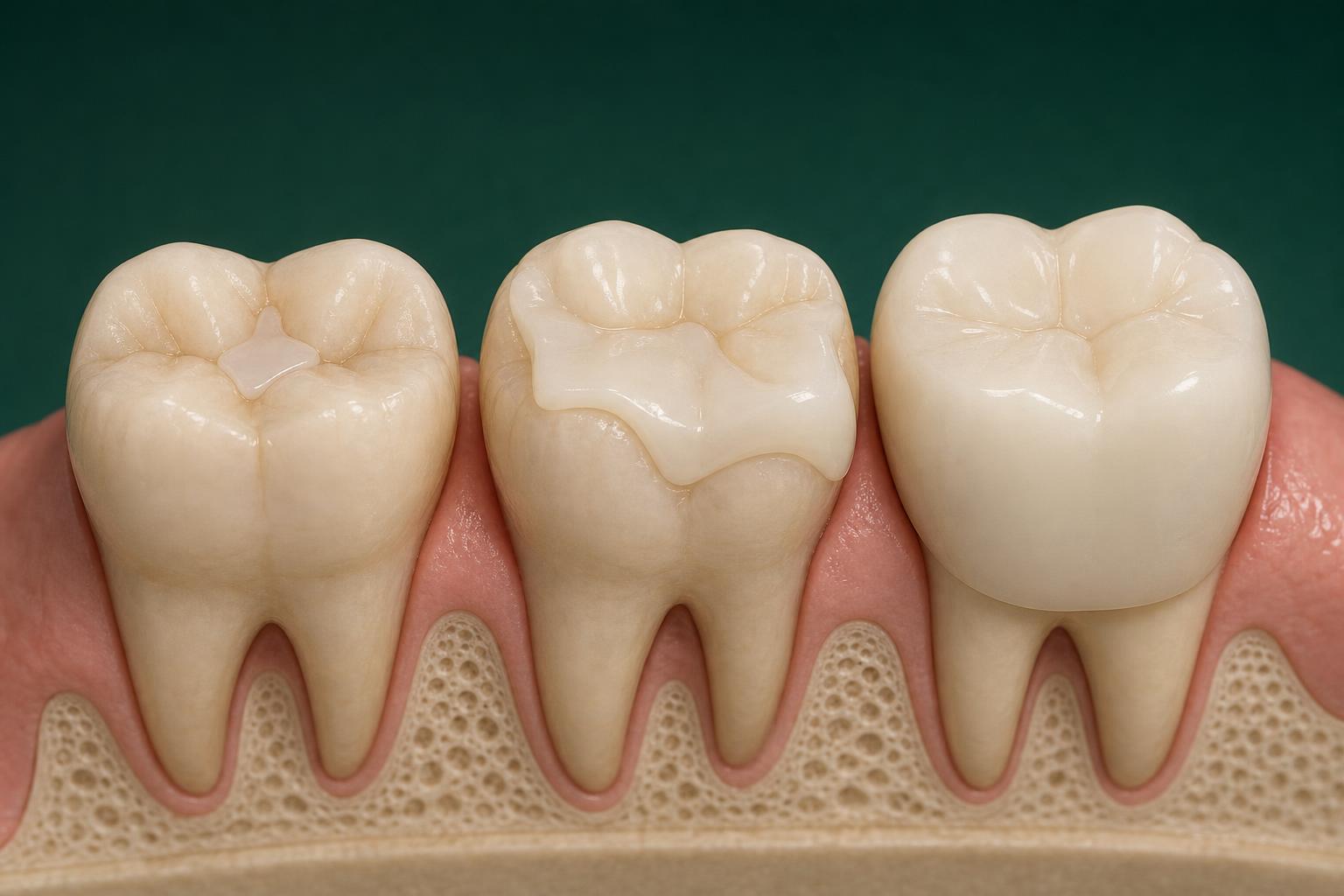
Restorative dentistry repairs and rebuilds damaged, worn or missing teeth — using fillings, onlays, crowns, bridges or implants — with the aim of restoring function while preserving as much natural tooth as possible.
At a glance
Costed per stage against the components of your plan — white fillings from £365, root canal from £495, crowns from £525 and implants from £2,900. A written, itemised plan is issued before treatment begins.
Book a consultationAssessment and diagnosis before any cosmetic treatment
The short answer: Restorative dentistry
Restorative dentistry repairs and rebuilds damaged, worn or missing teeth — using fillings, onlays, crowns, bridges or implants — with the aim of restoring function while preserving as much natural tooth as possible.
Restorative dentistry is planned and provided by Dr Vikas Prinja at Apple Dental Studios, 106 Marsh Road, Pinner, with patients travelling from across North West London. If you are looking for a dentist in Pinner, that page sets out how consultations, written plans and fees work here.
Compare your options
You are reading
Restorative dentistry
The option described on this page.
Full coverage
Crowns & bridges
Where a tooth is heavily broken down or cracked, full coverage distributes load better than a direct restoration.
Appearance
Composite bonding
Once function and health are stable, composite can address shape, edges and localised colour.
Replacement
Dental implants
Replacement is considered only where the natural tooth has a poor long-term prognosis.
Vikas explains
A concise video explanation, supported by the written guidance on this page.
Dr Prinja explains why the cause of tooth wear and the way the bite loads the teeth need assessment before worn teeth are rebuilt.
Dr Prinja explains the role of gum health and hygiene before restorative, orthodontic or cosmetic treatment is planned.
Disease, pain and active wear factors are addressed first.
The target bite and tooth form are designed before treatment.
Teeth are restored in a planned sequence using the least invasive option available.
Guards, hygiene and reviews protect the work.
Varies by restoration type; a maintained, planned rehabilitation is more durable than repeated isolated repairs.
Costed per stage against the components of your plan — white fillings from £365, root canal from £495, crowns from £525 and implants from £2,900. A written, itemised plan is issued before treatment begins.
A written plan with itemised fees is provided after assessment, before any treatment is agreed. See the full fee guide.
Compare options
Explore the dental glossary for plain-language definitions of the clinical terms used here.
Clinical transparency
General Dental Council
National Institute for Health and Care Excellence
Clinical cases
Published only with explicit patient consent.
 BeforeAfter
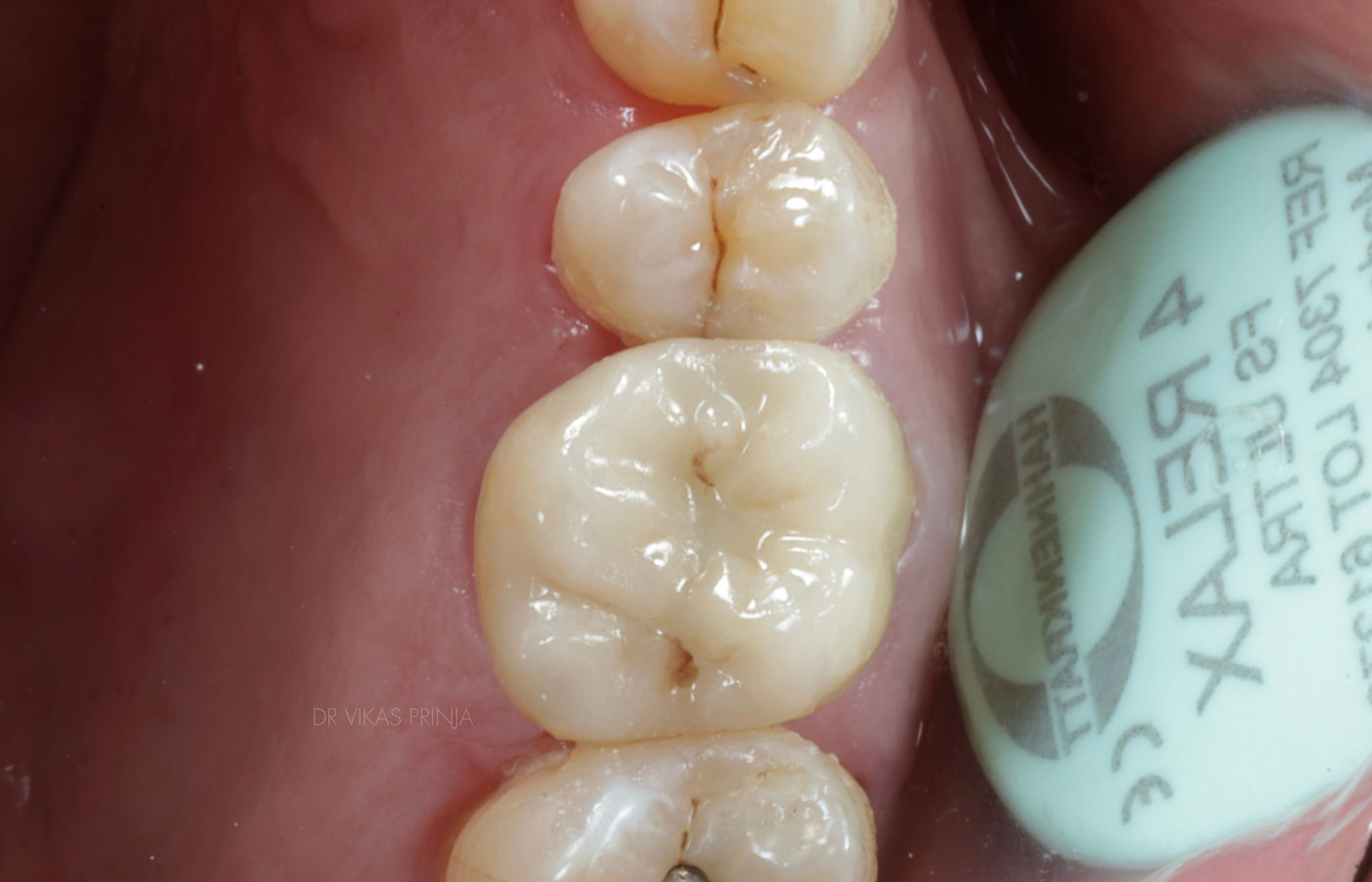
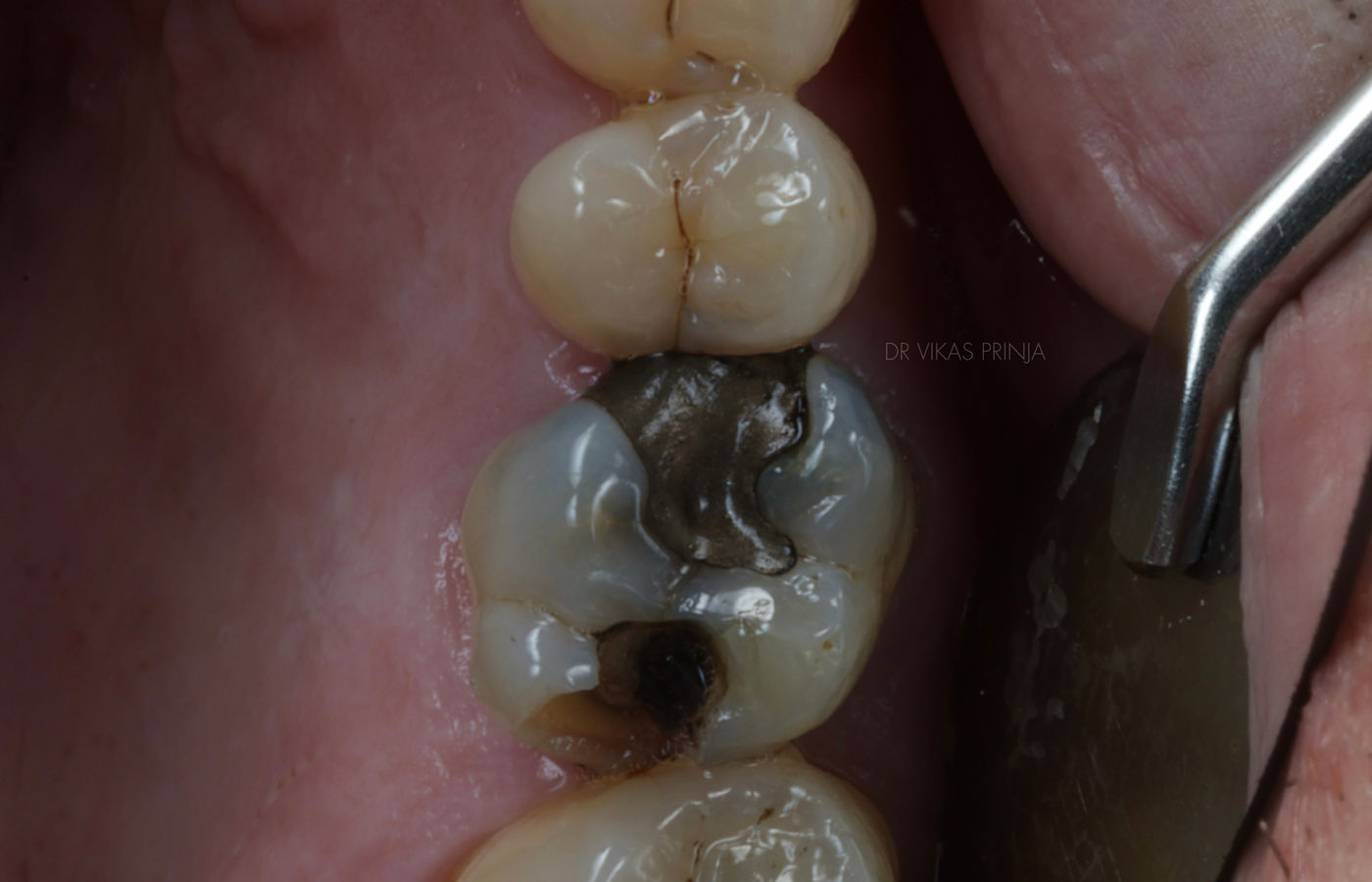
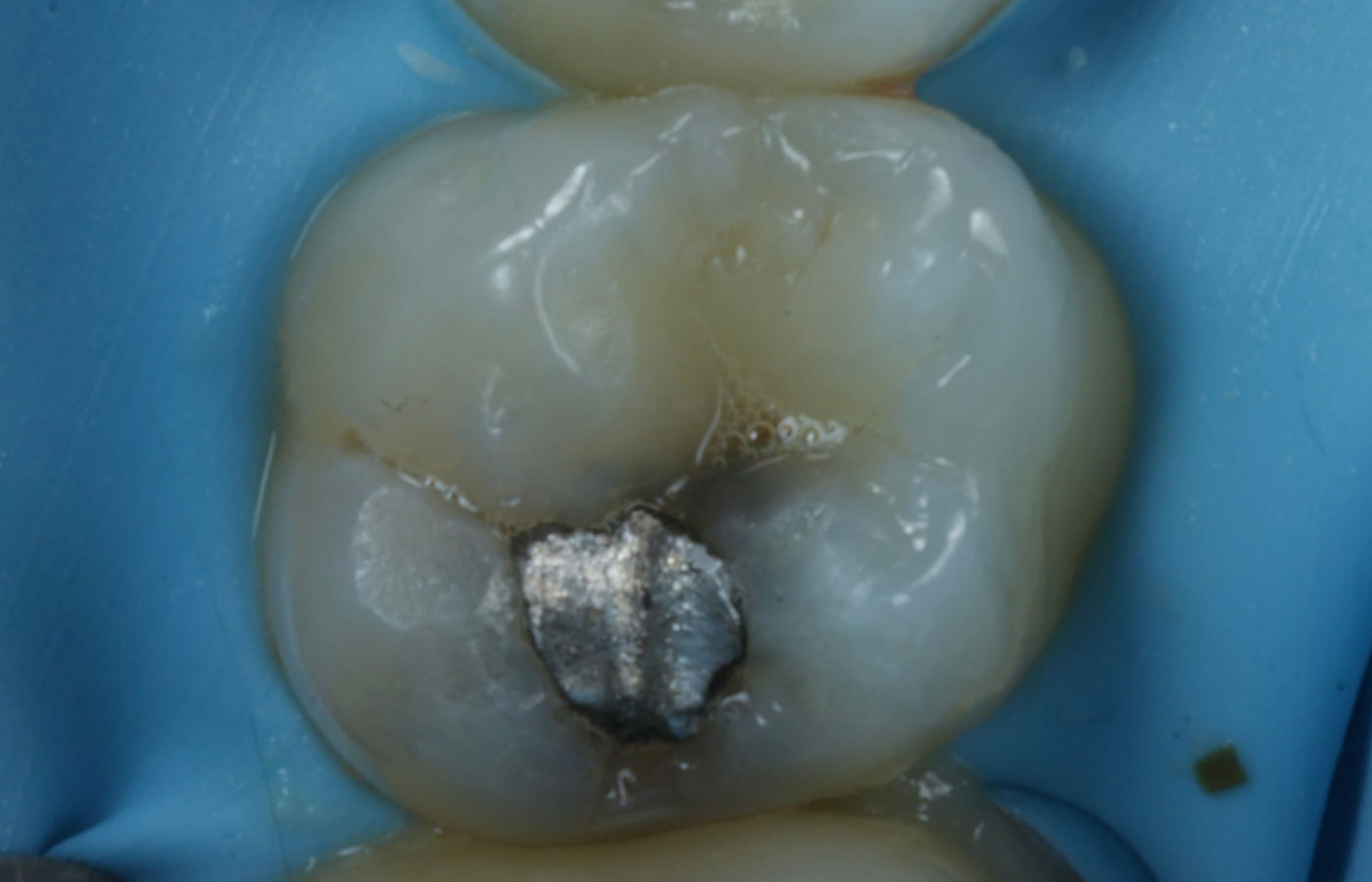
A back tooth with a large old filling that had begun to break down.
 BeforeAfter
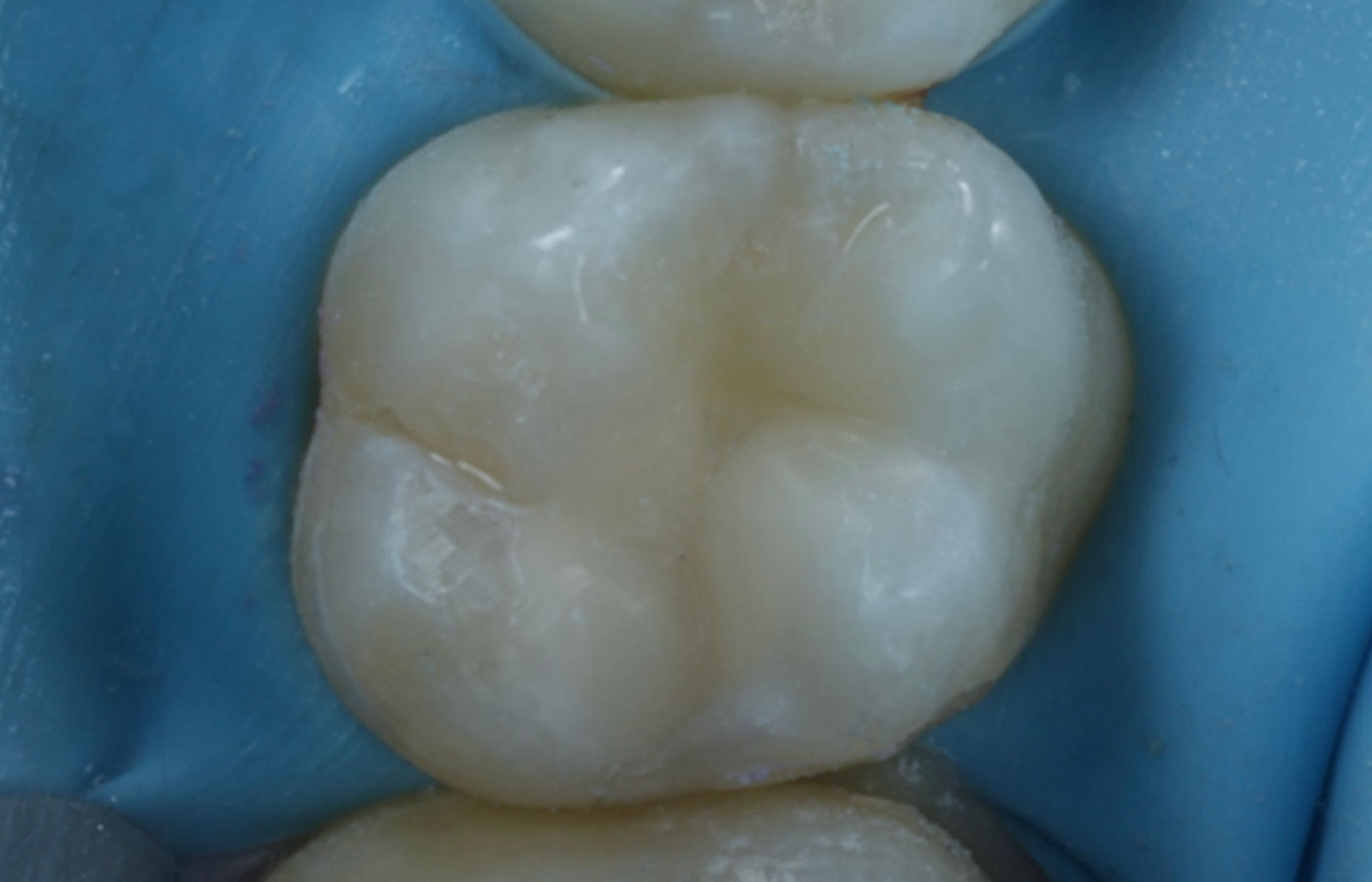
An old silver filling the patient wanted replaced, with decay found underneath on assessment.
Read next
Written by Dr Vikas Prinja for patients considering or already having this treatment.
Common questions
Restorative dentistry repairs or replaces damaged, worn or missing teeth using treatments such as fillings, crowns, bridges, dentures and implants, with health, function and long-term maintenance considered before appearance.
The assessment records tooth-by-tooth condition, gum health, bite, tooth wear and any pain, supported by X-rays and photographs. A written, itemised plan sets out what needs treating first, what can wait and what the options are.
Tooth wear is treated by first identifying the cause — grinding, acid erosion or an unbalanced bite — then protecting and rebuilding the teeth with composite, onlays or crowns, and controlling the cause with habit advice or a night guard.
Cost follows how many teeth are involved, whether the bite needs rebuilding, and the materials used. Composite crown fees start from £525 and E.max ceramic crowns from £800. A written, itemised plan is provided after assessment and before any treatment is agreed.
Longevity depends on the material, the bite and how the underlying cause was managed. Direct composite is commonly quoted at around five to seven years before repair or replacement, and ceramic restorations generally longer. Treating the cause, such as wear or grinding, matters more than the material alone.
A filling or onlay is preferred while enough sound tooth remains to support it. A crown is considered when the remaining tooth is heavily broken down, root treated or at risk of fracture, because full coverage protects what is left.
Bonding is usually additive, repairable and reversible, but stains more readily. Veneers are more stain resistant and durable, but require enamel preparation and are irreversible. The right choice depends on tooth position, remaining enamel, bite and how much change is needed.
Clinical authorship
The London Dentist. Cosmetic, restorative and implant dentistry in London.
Clinically reviewed Updated
About Dr Vikas PrinjaHow this fits together
How this treatment relates to the others, and why each relationship exists.
Alternative
Crowns & bridges
Where a tooth is heavily broken down or cracked, full coverage distributes load better than a direct restoration.
Frequently combined
Composite bonding
Once function and health are stable, composite can address shape, edges and localised colour.
Alternative tooth replacement
Dental implants
Replacement is considered only where the natural tooth has a poor long-term prognosis.
Restore
A crown is a laboratory-made restoration that covers a damaged tooth to restore its shape and strength; a bridge uses one or more crowns to replace an adjacent missing tooth.
Replace
A dental implant is a titanium or ceramic fixture placed into the jawbone to support a crown, bridge or denture, replacing the root of a missing tooth.
Restore
Composite bonding is a treatment in which tooth-coloured resin is applied directly to the tooth surface and shaped by hand to alter its shape, edge position, colour or proportions, usually without removing healthy tooth tissue.
Enhance
A smile makeover is a planned combination of treatments — which may include alignment, whitening, bonding, ceramics or gum treatment — sequenced to change the appearance of the smile while protecting long-term dental health.

Consultation
Start with a comprehensive assessment and understand your options before deciding on treatment.