
Video answer
Do you always need a veneer?
A short explanation of veneers and more conservative alternatives. The appropriate option depends on tooth position, enamel, existing restorations and the planned change.
Restore
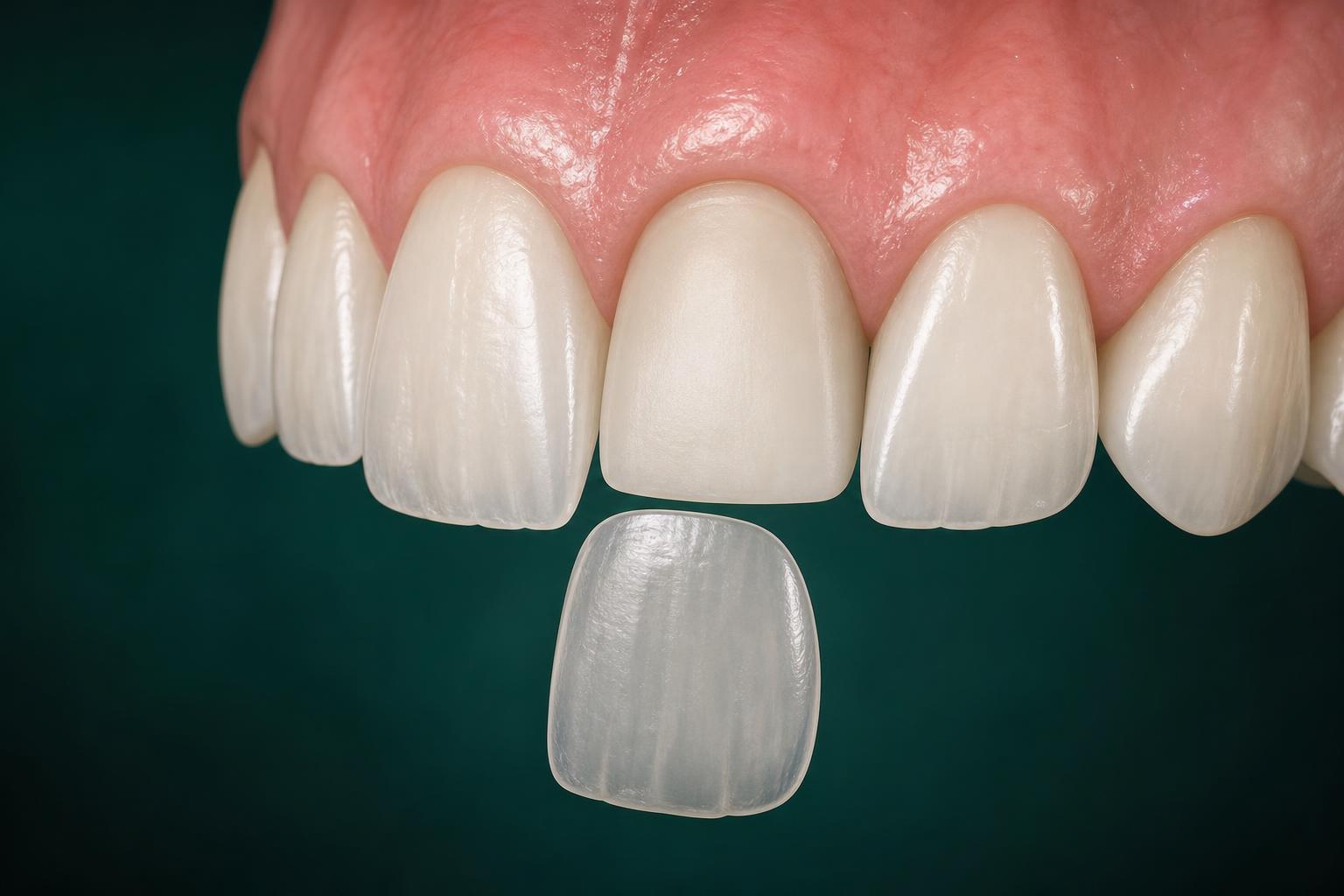
A ceramic veneer is a thin, custom-made porcelain facing bonded to the front of a tooth to change its shape, colour or alignment, usually requiring a small amount of enamel to be prepared.
At a glance
Ceramic veneers are £795 per tooth, including laboratory work. The number of teeth needed is determined at assessment, and is often fewer once tooth position has been corrected.
Book a consultationAssessment and diagnosis before any cosmetic treatment
Patient guides
The short answer: Ceramic veneers
A ceramic veneer is a thin, custom-made porcelain facing bonded to the front of a tooth to change its shape, colour or alignment, usually requiring a small amount of enamel to be prepared.
Ceramic veneers is planned and provided by Dr Vikas Prinja at Apple Dental Studios, 106 Marsh Road, Pinner, with patients travelling from across North West London. If you are looking for a dentist in Pinner, that page sets out how consultations, written plans and fees work here.
Compare your options
You are reading
Ceramic veneers
The option described on this page.
Additive option
Composite bonding
In suitable cases composite achieves a comparable change with little or no removal of healthy tooth tissue, and is easier to repair.
Straighten first
Invisalign
Where position is the main issue, moving the teeth can reduce — and sometimes remove — the need for veneers altogether.
Colour only
Teeth whitening
If colour is the sole concern, whitening changes shade without altering the tooth surface.
Vikas explains
A concise video explanation, supported by the written guidance on this page.
A short explanation of veneers and more conservative alternatives. The appropriate option depends on tooth position, enamel, existing restorations and the planned change.
The proposed shape is planned digitally and tested in the mouth.
Minimal enamel is prepared only where required by the design.
Provisional veneers let you assess shape and function.
Ceramic is bonded, checked against the bite and polished.
Well-maintained bonded ceramic veneers are commonly reported to last in excess of ten years, depending on bite, habits and hygiene.
£795Guide fee
Ceramic veneers are £795 per tooth, including laboratory work. The number of teeth needed is determined at assessment, and is often fewer once tooth position has been corrected.
A written plan with itemised fees is provided after assessment, before any treatment is agreed. See the full fee guide.
Compare options
Explore the dental glossary for plain-language definitions of the clinical terms used here.
Clinical transparency
General Dental Council
National Institute for Health and Care Excellence
Clinical cases
Published only with explicit patient consent.
 BeforeAfter
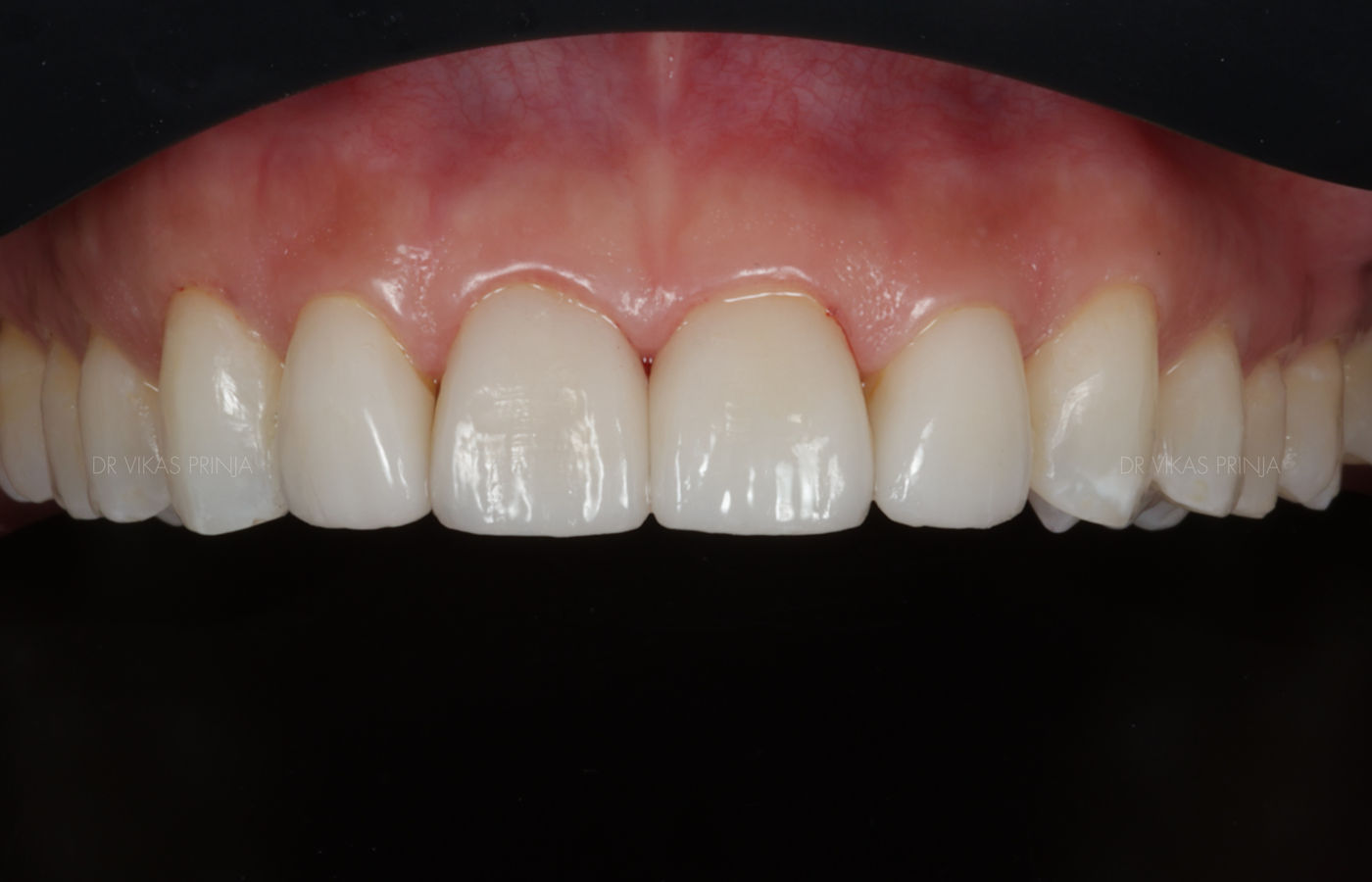
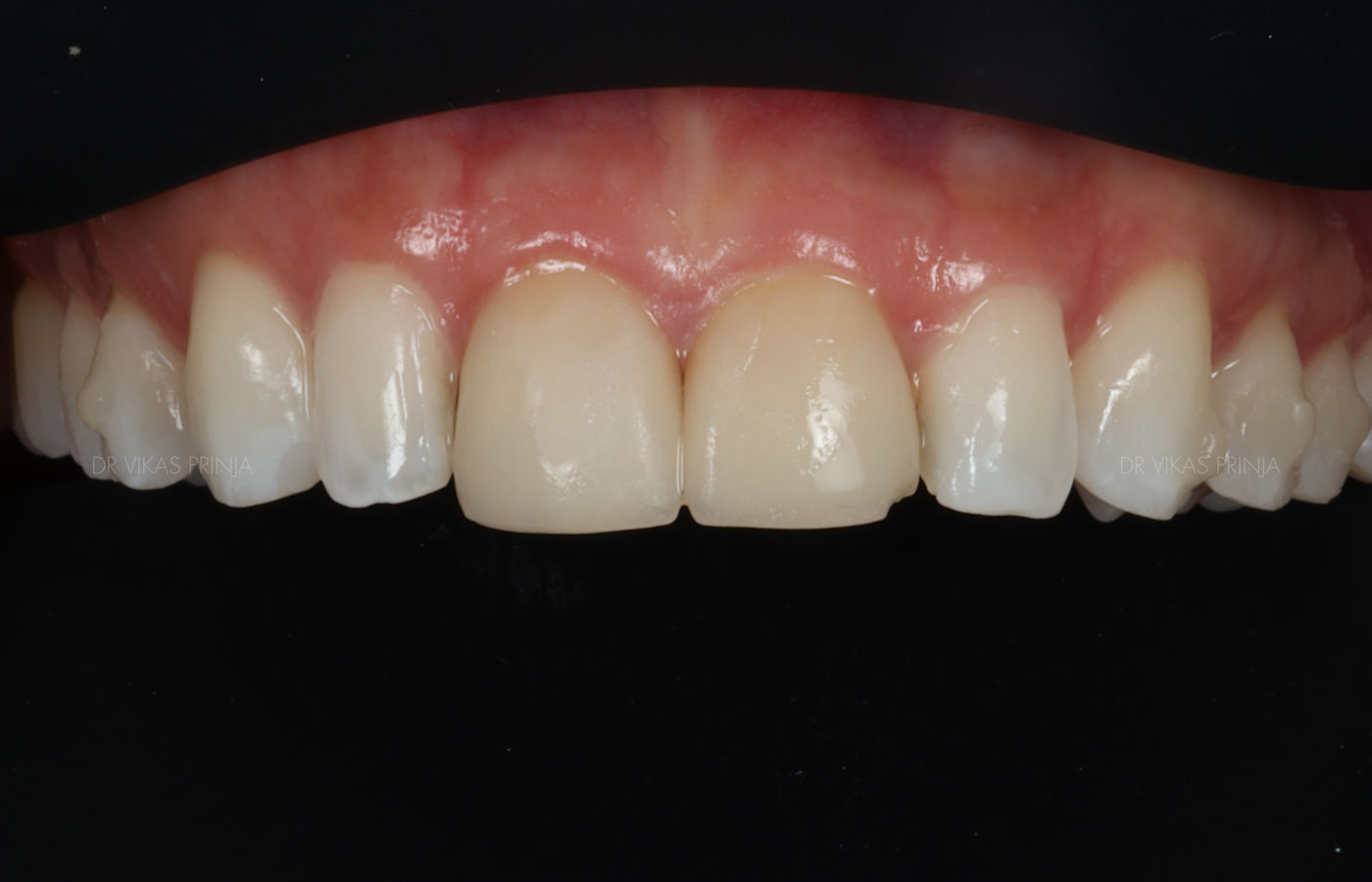
The upper front teeth looked uneven in both length and width, and previous cosmetic work no longer matched the surrounding teeth.
Read next
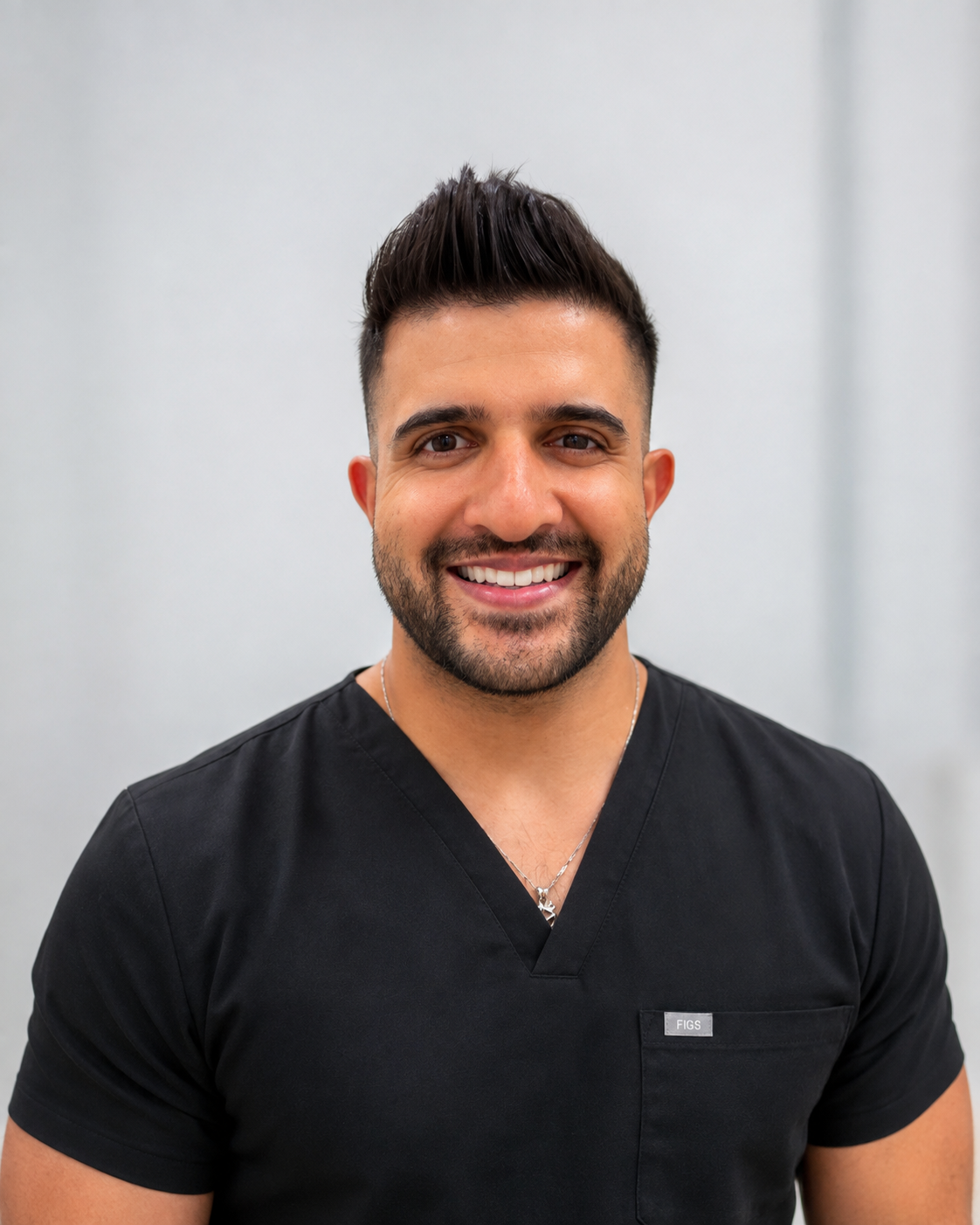
Written by Dr Vikas Prinja for patients considering or already having this treatment.
Common questions
No. Many smile makeovers are achieved with alignment, whitening and bonding, which preserve more natural tooth. Ceramic veneers are indicated when shape, strength or colour cannot be changed predictably by less invasive means.
Bonding is usually additive, repairable and reversible, but stains more readily. Veneers are more stain resistant and durable, but require enamel preparation and are irreversible. The right choice depends on tooth position, remaining enamel, bite and how much change is needed.
Often, yes. Correcting tooth position with clear aligners or fixed appliances frequently removes the need for veneers, or reduces the treatment to whitening and small amounts of bonding.
Ceramic veneers are published at £795 per tooth at this practice. The exact plan depends on tooth position, enamel, the number of teeth and the laboratory design, so a written quotation follows assessment.
Ceramic veneers can last for many years when they are planned for a healthy bite, bonded correctly and maintained well. Longevity is affected by grinding, trauma, hygiene and the condition of the supporting teeth.
Veneers do not ruin teeth, but most designs require a small amount of enamel to be prepared, which cannot be reversed. Preparation is kept as conservative as the case allows, and less invasive options are discussed first where they can achieve the result.
Preparation is carried out under local anaesthetic, so the appointment itself is not painful. Mild sensitivity between preparation and fitting is common and usually settles once the definitive veneers are bonded.
A veneer that chips, debonds or wears at the margin is repaired or replaced. Because enamel has already been prepared, replacement rather than removal is the usual route, which is why longevity and maintenance are discussed before treatment starts.
Clinical authorship
The London Dentist. Cosmetic, restorative and implant dentistry in London.
Clinically reviewed Updated
About Dr Vikas PrinjaHow this fits together
How this treatment relates to the others, and why each relationship exists.
Less invasive alternative
Composite bonding
In suitable cases composite achieves a comparable change with little or no removal of healthy tooth tissue, and is easier to repair.
May reduce the need for
Invisalign
Where position is the main issue, moving the teeth can reduce — and sometimes remove — the need for veneers altogether.
Less invasive alternative
Teeth whitening
If colour is the sole concern, whitening changes shade without altering the tooth surface.
Restorative alternative
Crowns & bridges
Where considerably more tooth structure has been lost or previously restored, full coverage may be more appropriate than a veneer.
Restore
Composite bonding is a treatment in which tooth-coloured resin is applied directly to the tooth surface and shaped by hand to alter its shape, edge position, colour or proportions, usually without removing healthy tooth tissue.
Enhance
A smile makeover is a planned combination of treatments — which may include alignment, whitening, bonding, ceramics or gum treatment — sequenced to change the appearance of the smile while protecting long-term dental health.
Restore
A crown is a laboratory-made restoration that covers a damaged tooth to restore its shape and strength; a bridge uses one or more crowns to replace an adjacent missing tooth.
Straighten
Invisalign is a clear aligner system that moves teeth using a sequence of removable, custom-made trays planned from a digital scan of your mouth.
Consultation
Start with a comprehensive assessment and understand your options before deciding on treatment.