
Video answer
What invisible orthodontic options are available?
Dr Prinja outlines discreet orthodontic approaches. The right appliance and whether treatment is suitable can only be decided after an individual assessment.
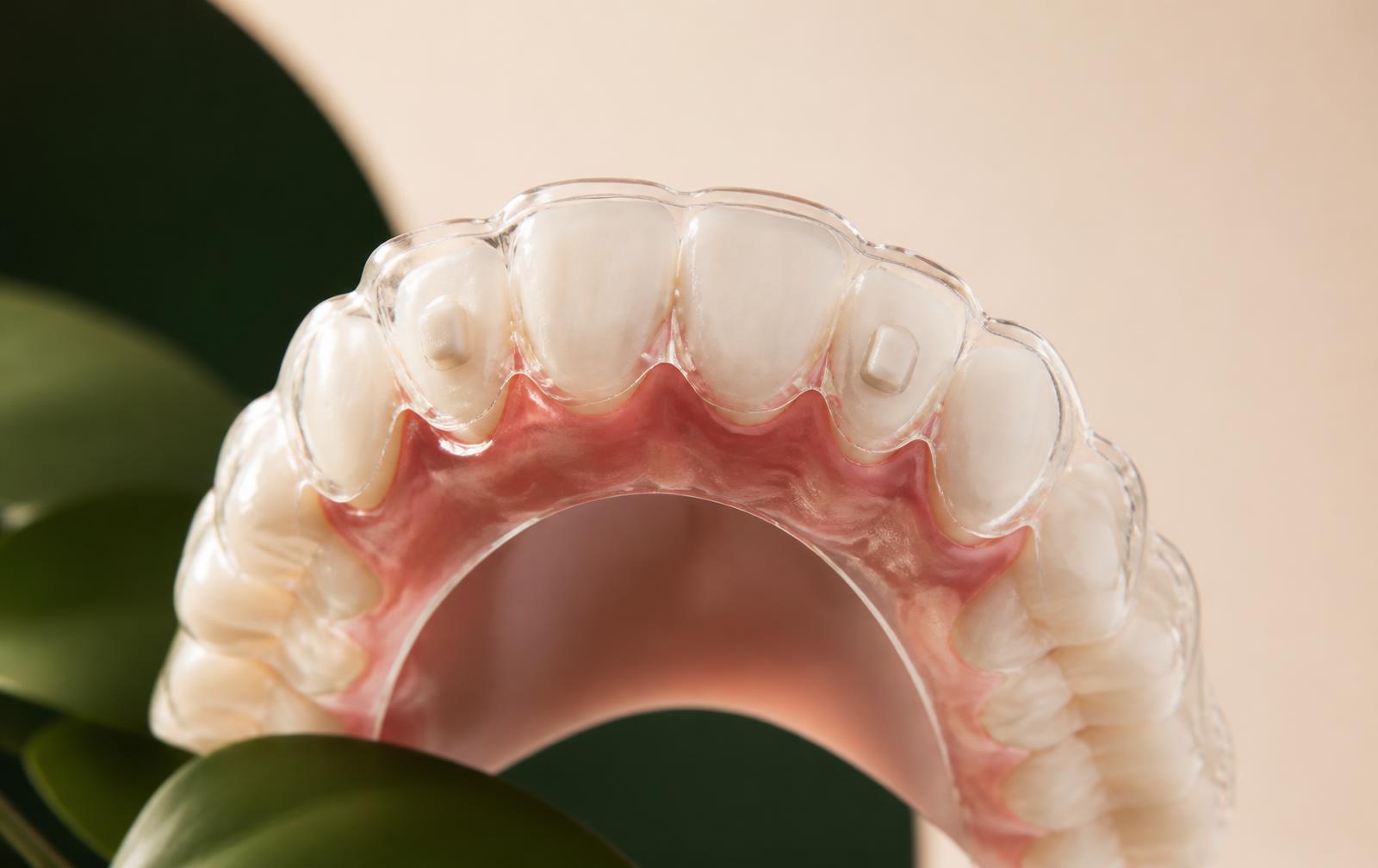
Straighten
Invisalign is a clear aligner system that moves teeth using a sequence of removable, custom-made trays planned from a digital scan of your mouth.
At a glance
Invisalign starts from £2,950, with the figure depending on case complexity and the number of aligners. Retainers are £180 removable or £200 fixed and are required to hold the result.
Book a consultationAssessment and diagnosis before any cosmetic treatment
The short answer: Invisalign
Invisalign is a clear aligner system that moves teeth using a sequence of removable, custom-made trays planned from a digital scan of your mouth.
Invisalign is planned and provided by Dr Vikas Prinja at Apple Dental Studios, 106 Marsh Road, Pinner, with patients travelling from across North West London. If you are looking for a dentist in Pinner, that page sets out how consultations, written plans and fees work here.Many Invisalign patients in Pinner are planning alignment as the first step of a wider smile change. Aligner reviews take place at the practice, and the plan states in advance whether whitening or edge bonding may follow, or whether alignment alone is likely to be enough.
Compare your options
You are reading
Invisalign
The option described on this page.
Refine shape after
Composite bonding
Once teeth are in position, small differences in edge shape or width can be finished additively with composite.
Colour after
Teeth whitening
Whitening is commonly carried out after alignment, when every surface is accessible and the final position is set.
Restorative route
Ceramic veneers
Ceramic can mask position without moving teeth, but it does so by covering tooth structure rather than correcting the cause.
Vikas explains
A concise video explanation, supported by the written guidance on this page.
Dr Prinja outlines discreet orthodontic approaches. The right appliance and whether treatment is suitable can only be decided after an individual assessment.
Suitability, complexity and likely duration are discussed openly.
A scan is used to plan tooth movement stage by stage.
Aligners are changed on a set schedule with periodic reviews.
Additional aligners are often used to finish detail movements.
Fixed and/or removable retainers hold the result.
Corrected positions are stable for as long as retainers are worn as instructed. Retention is lifelong.
Vikas explains
A concise video explanation, supported by the written guidance on this page.
A concise explanation of orthodontic retention and why maintaining tooth position continues after active aligner treatment finishes.
From £2,950Guide fee
Invisalign starts from £2,950, with the figure depending on case complexity and the number of aligners. Retainers are £180 removable or £200 fixed and are required to hold the result.
A written plan with itemised fees is provided after assessment, before any treatment is agreed. See the full fee guide.
Compare options
Explore the dental glossary for plain-language definitions of the clinical terms used here.
Clinical transparency
General Dental Council
National Institute for Health and Care Excellence
Clinical cases
Published only with explicit patient consent.
 BeforeAfter
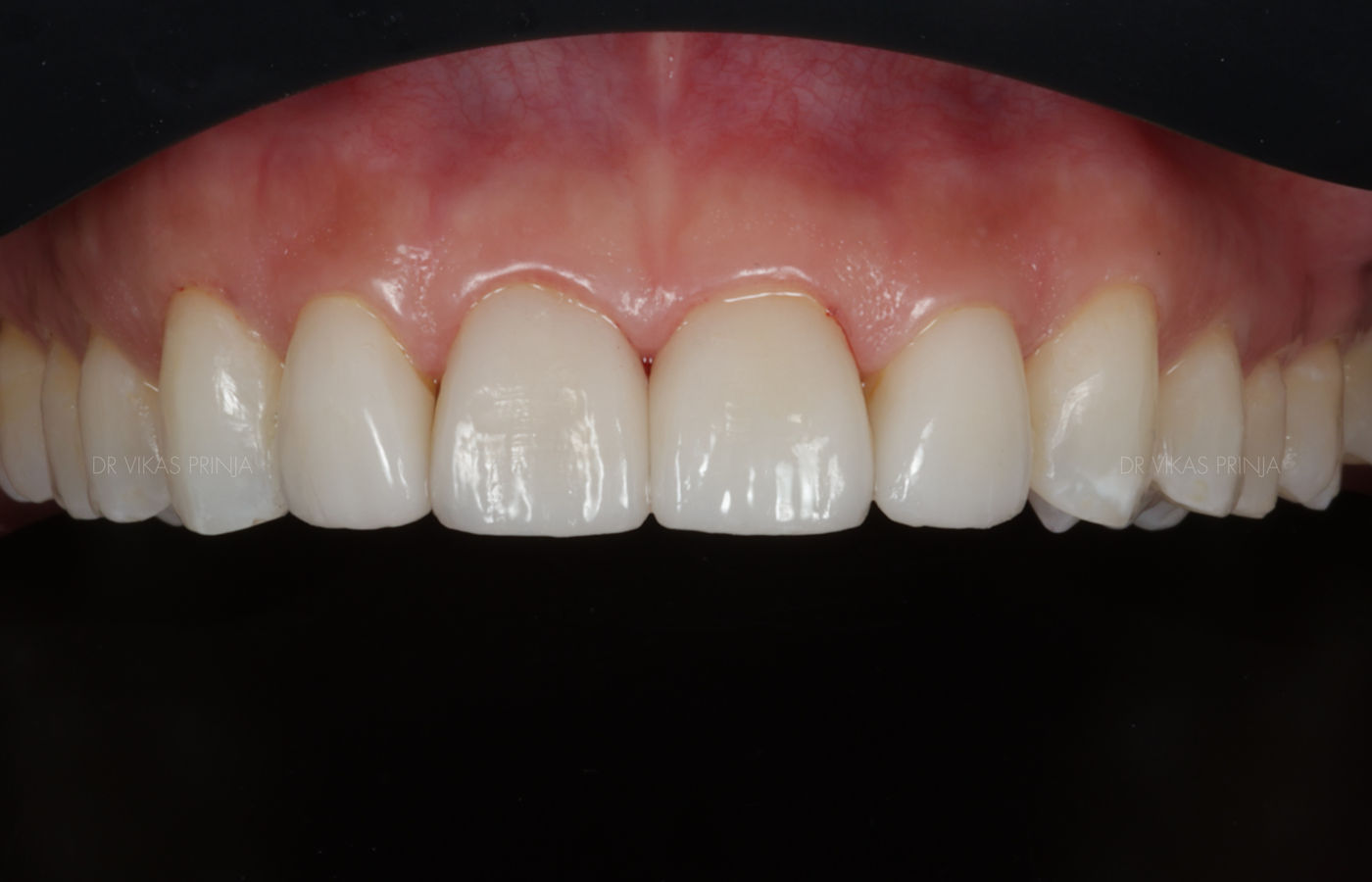
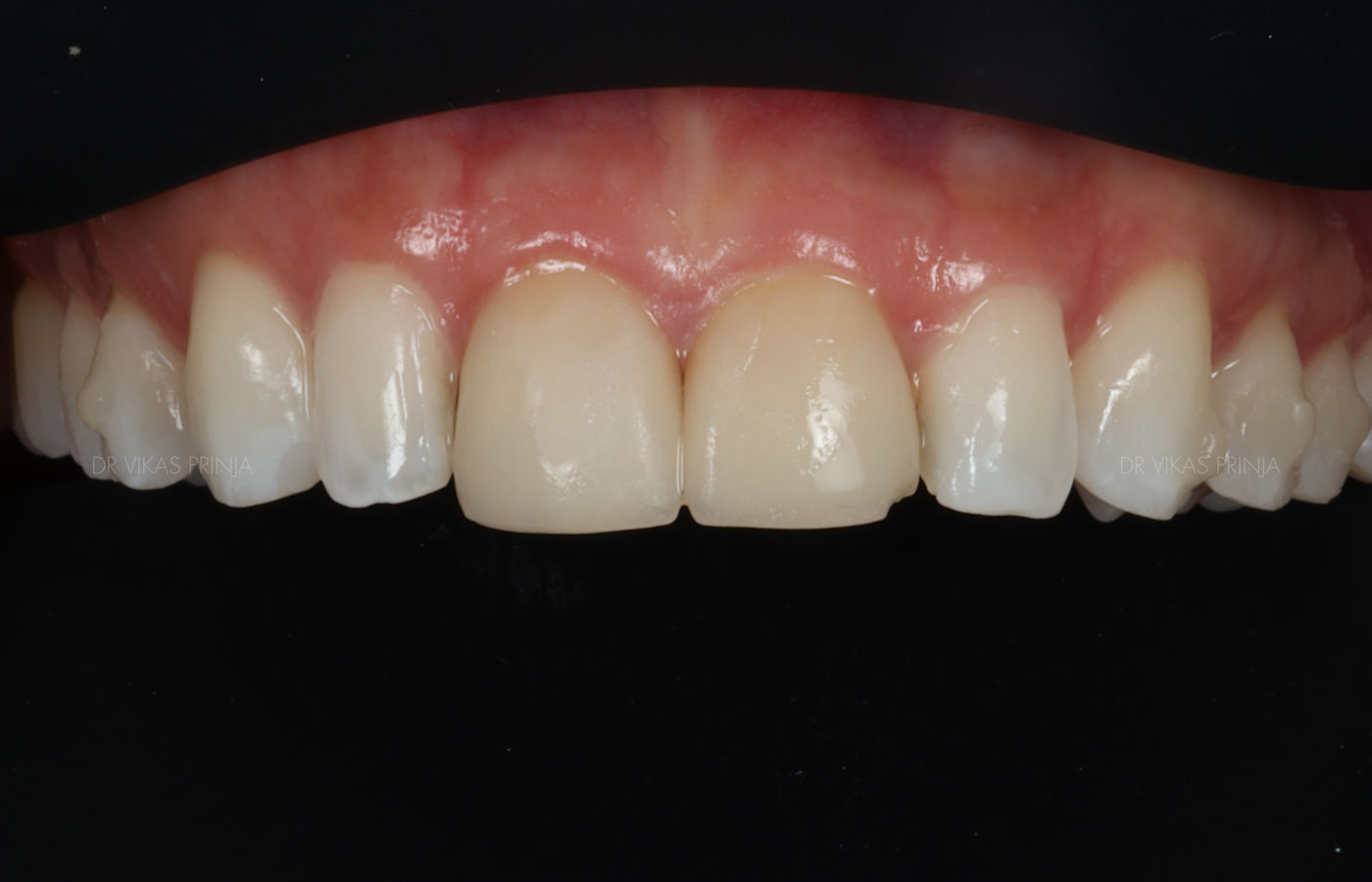
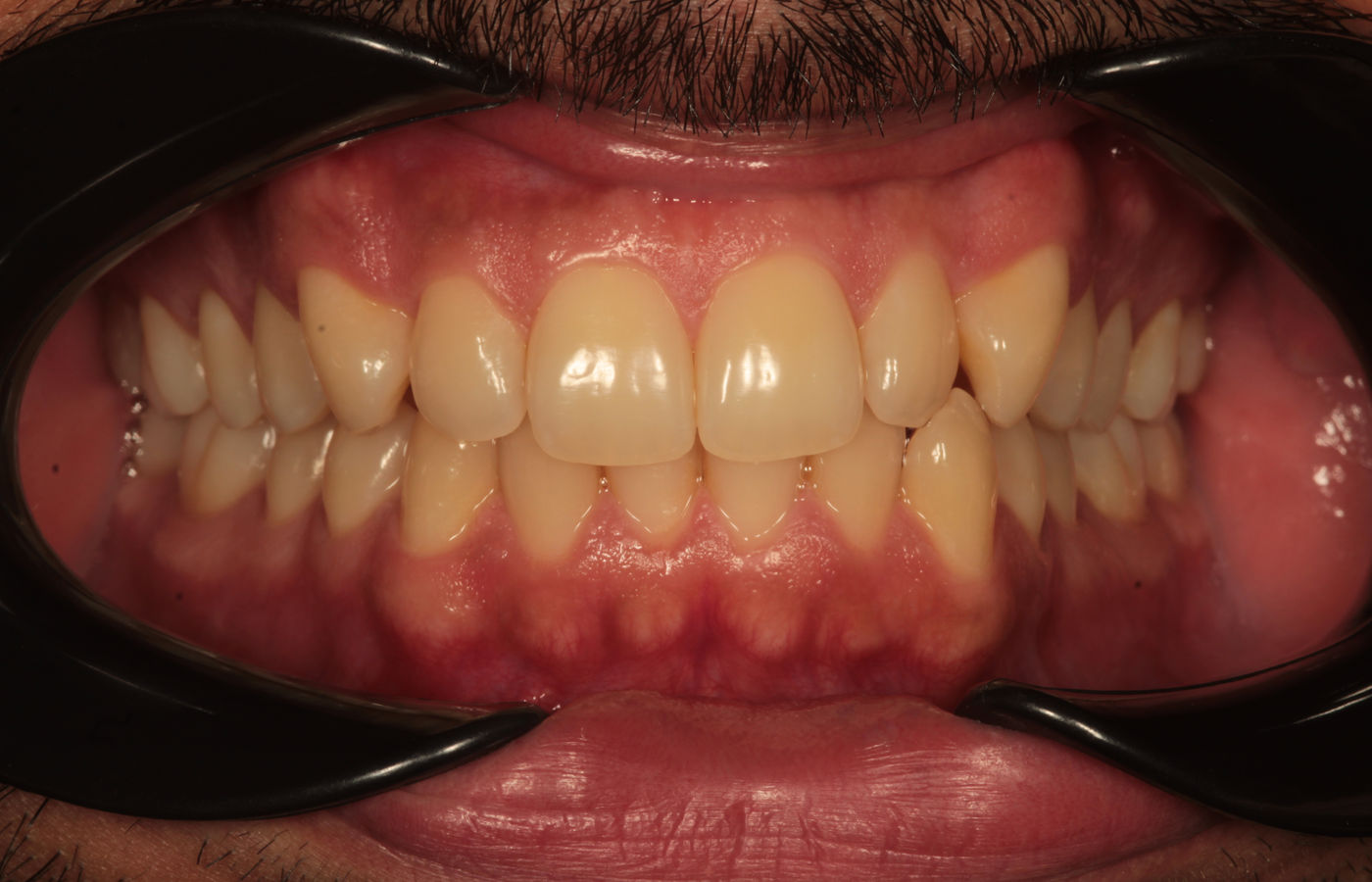
The upper front teeth looked uneven in both length and width, and previous cosmetic work no longer matched the surrounding teeth.
 BeforeAfter
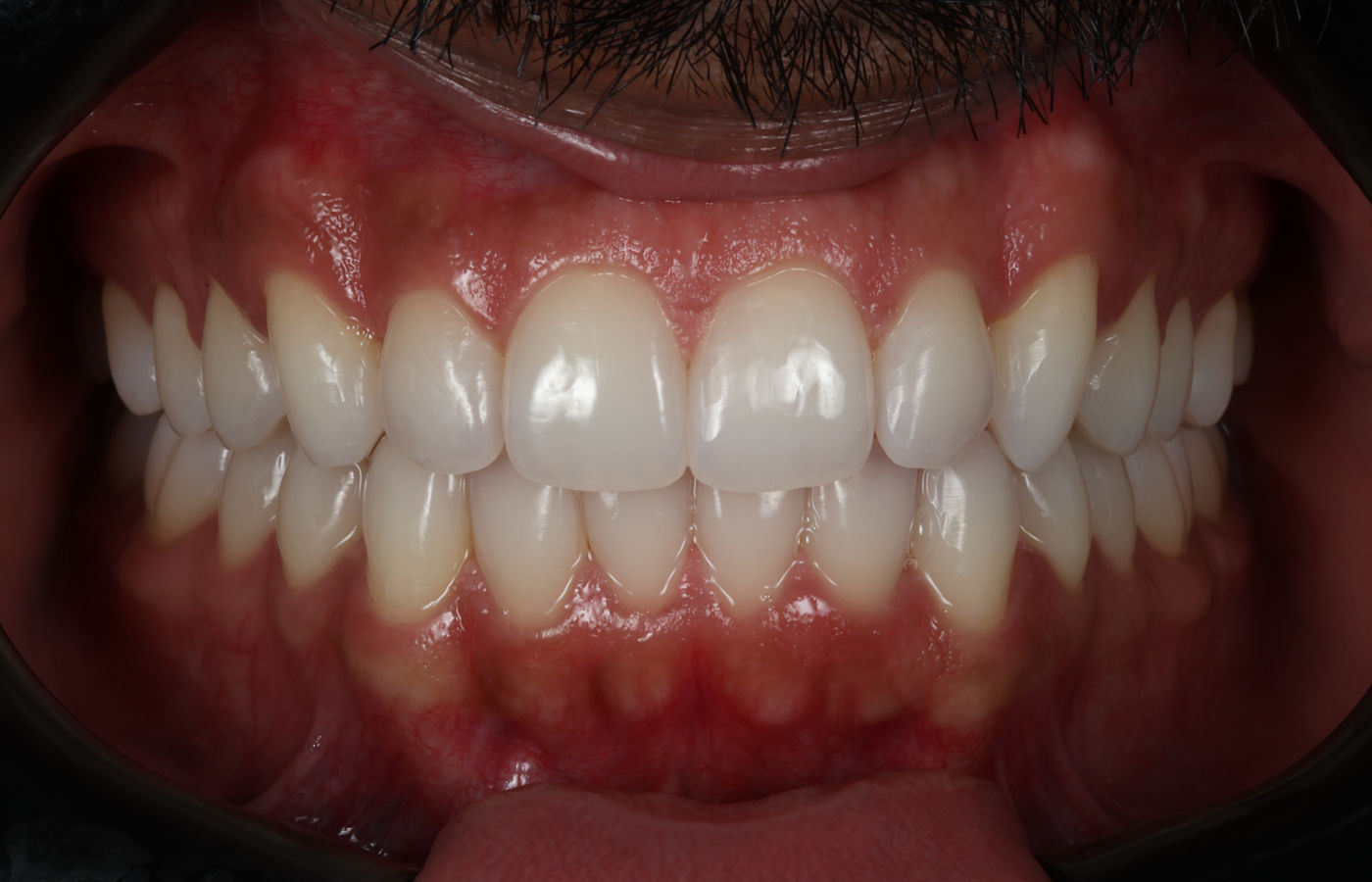
Crowded upper front teeth and a shade the patient felt was too dark.
Read next
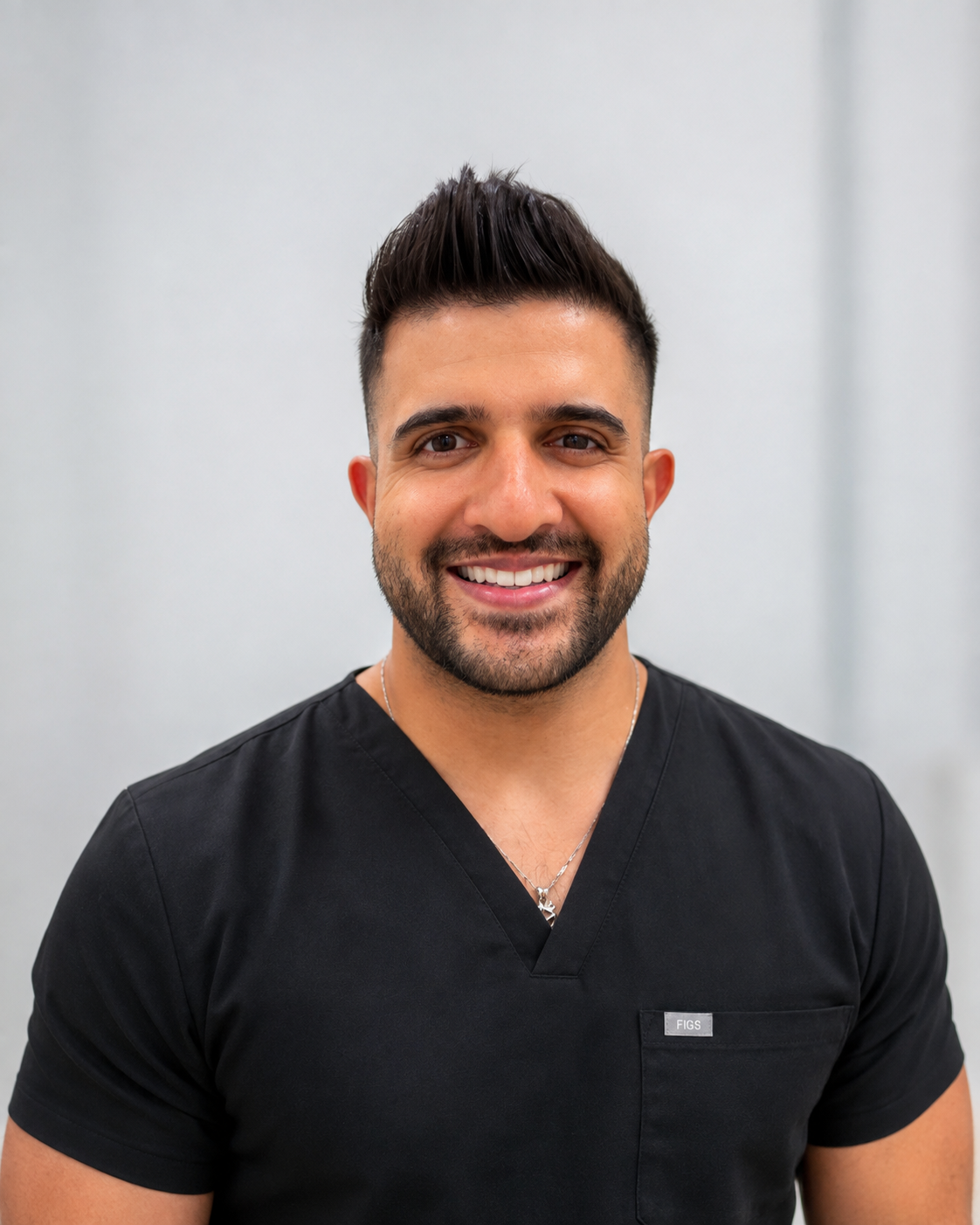
Written by Dr Vikas Prinja for patients considering or already having this treatment.
Common questions
Yes. Invisalign is widely used by adults, provided the teeth and gums are healthy and the aligners are worn for the prescribed number of hours each day. Suitability is confirmed at an orthodontic assessment.
Often, yes. Correcting tooth position with clear aligners or fixed appliances frequently removes the need for veneers, or reduces the treatment to whitening and small amounts of bonding.
A makeover limited to whitening and bonding can take a few weeks. Where alignment is included first, the overall plan usually runs from several months to around a year, followed by retention and review.
Invisalign starts from £2,950 at this practice. The final fee depends on the complexity of tooth movement, the aligner plan and the retention required, and is confirmed in writing after assessment.
Invisalign treatment commonly takes several months, but the duration depends on the movements required and how consistently the aligners are worn. Refinement aligners and retention are planned where needed.
Most people describe pressure or tenderness for a day or two after changing to a new aligner rather than pain. Discomfort typically settles quickly, and any sharp edges or rubbing can be adjusted at a review appointment.
Aligners are removed to eat and to drink anything other than water, then the teeth are cleaned before the aligners go back in. Aligners need to be worn for the prescribed hours each day, so meals and drinks are planned around that wear time.
Yes. Teeth tend to move throughout life, so retention is part of every orthodontic plan. Retainers — fixed, removable or both — are fitted at the end of treatment and reviewed periodically to hold the result.
Clinical authorship
The London Dentist. Cosmetic, restorative and implant dentistry in London.
Clinically reviewed Updated
About Dr Vikas PrinjaHow this fits together
How this treatment relates to the others, and why each relationship exists.
Often considered afterwards
Composite bonding
Once teeth are in position, small differences in edge shape or width can be finished additively with composite.
Often considered afterwards
Teeth whitening
Whitening is commonly carried out after alignment, when every surface is accessible and the final position is set.
Restorative alternative
Ceramic veneers
Ceramic can mask position without moving teeth, but it does so by covering tooth structure rather than correcting the cause.
Restore
Composite bonding is a treatment in which tooth-coloured resin is applied directly to the tooth surface and shaped by hand to alter its shape, edge position, colour or proportions, usually without removing healthy tooth tissue.
Enhance
A smile makeover is a planned combination of treatments — which may include alignment, whitening, bonding, ceramics or gum treatment — sequenced to change the appearance of the smile while protecting long-term dental health.
Enhance
Professional teeth whitening uses a regulated peroxide-based gel, prescribed by a dentist, to lighten the natural shade of teeth without removing tooth tissue.
Restore
A ceramic veneer is a thin, custom-made porcelain facing bonded to the front of a tooth to change its shape, colour or alignment, usually requiring a small amount of enamel to be prepared.
Consultation
Start with a comprehensive assessment and understand your options before deciding on treatment.