
Video answer
What should I know before composite bonding?
Dr Prinja explains the planning considerations to understand before composite bonding. Written guidance on suitability, limitations and alternatives remains available alongside the video.
Restore
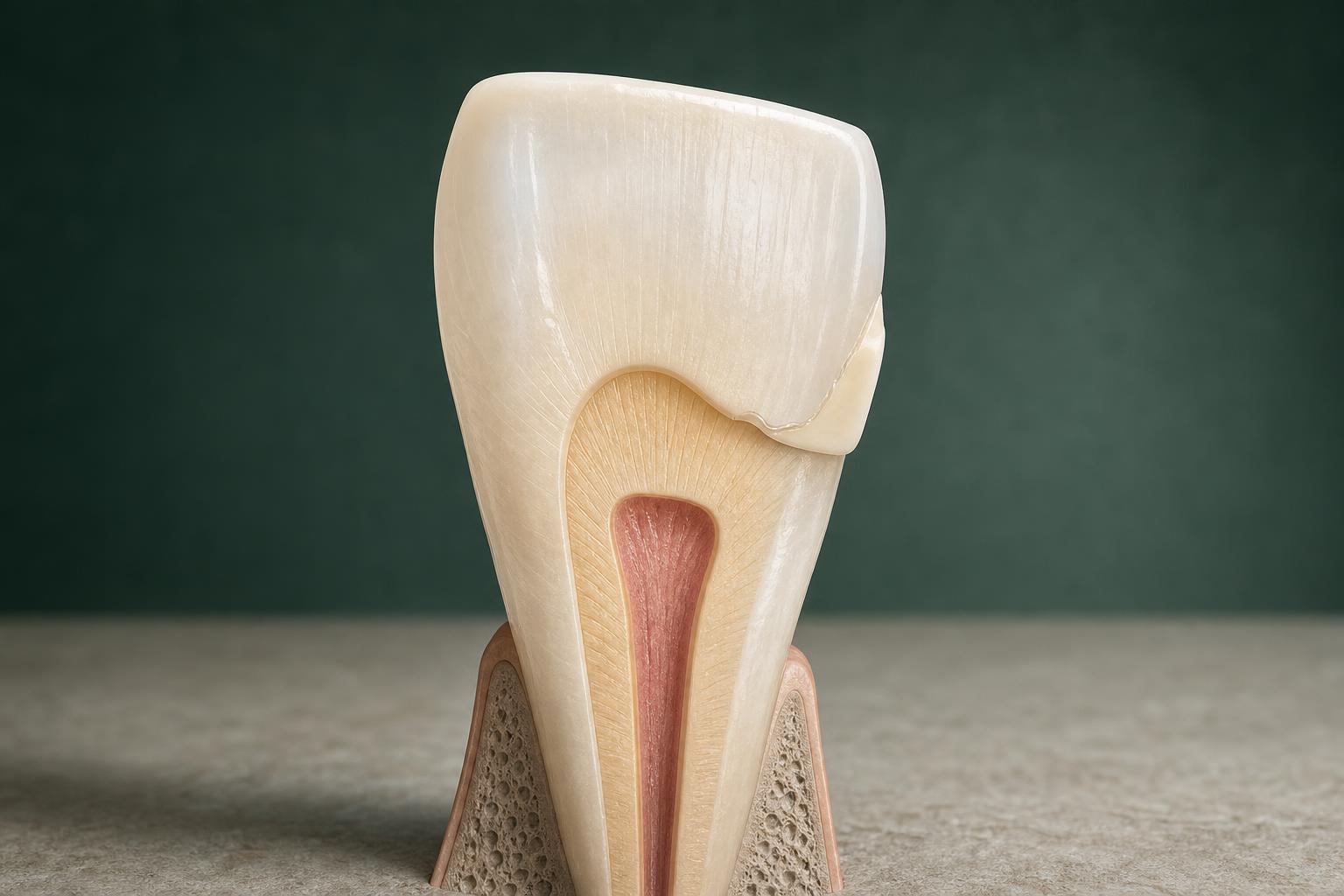
Composite bonding is a treatment in which tooth-coloured resin is applied directly to the tooth surface and shaped by hand to alter its shape, edge position, colour or proportions, usually without removing healthy tooth tissue.
At a glance
Direct composite work starts from £365 per tooth. A full bonding case is quoted per tooth against the number of teeth and the complexity of the design, and confirmed in writing after assessment.
Book a consultationAssessment and diagnosis before any cosmetic treatment
The short answer: Composite bonding
Composite bonding is a treatment in which tooth-coloured resin is applied directly to the tooth surface and shaped by hand to alter its shape, edge position, colour or proportions, usually without removing healthy tooth tissue.
Composite bonding is planned and provided by Dr Vikas Prinja at Apple Dental Studios, 106 Marsh Road, Pinner, with patients travelling from across North West London. If you are looking for a dentist in Pinner, that page sets out how consultations, written plans and fees work here.
Compare your options
You are reading
Composite bonding
The option described on this page.
Straighten first
Invisalign
Where tooth position is the underlying problem, alignment is usually considered first so less composite is needed and less healthy tooth is covered.
Colour only
Teeth whitening
Whitening is normally completed before bonding so the composite can be matched to the intended final shade — composite does not lighten later.
Ceramic option
Ceramic veneers
Ceramic may be more appropriate where greater strength, stain resistance or a larger change in shape is required.
Vikas explains
A concise video explanation, supported by the written guidance on this page.
Dr Prinja explains the planning considerations to understand before composite bonding. Written guidance on suitability, limitations and alternatives remains available alongside the video.
Records are taken and a design is planned against your facial and dental proportions.
Teeth are cleaned and isolated. In most cases little or no tooth tissue is removed.
Composite is applied in layers, sculpted and cured to build the planned shape.
Contours are refined and the surface is polished so it reflects light like enamel.
A short review appointment checks the bite, comfort and finish.
Bonding works best on a healthy, stable foundation. These are the situations where I would usually advise something else first, or instead.
When teeth are out of position, bonding can only disguise the problem by adding material. Correcting position first usually means thinner, more natural bonding, less risk to healthy enamel and proportions that stay within a natural range.
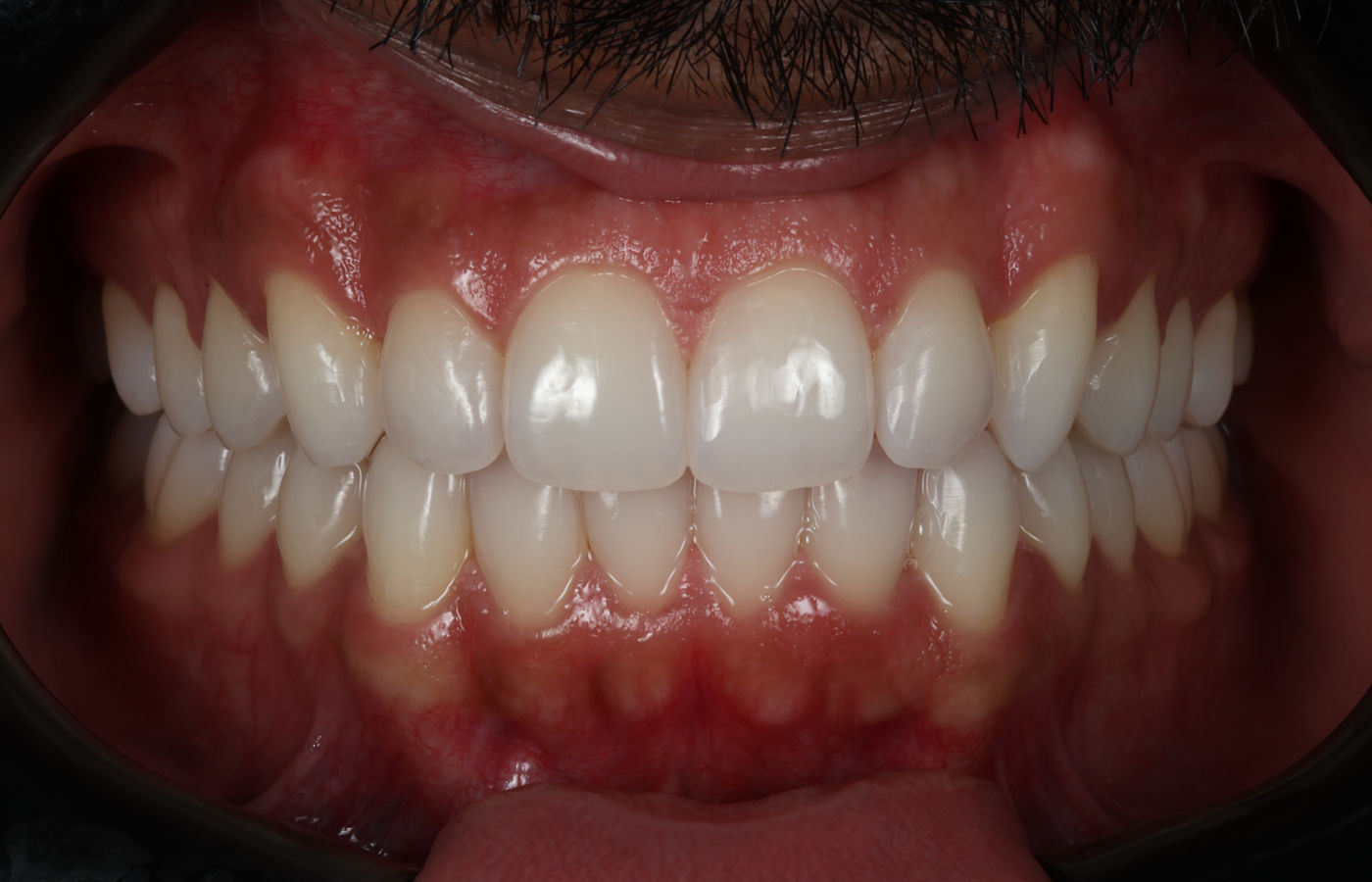
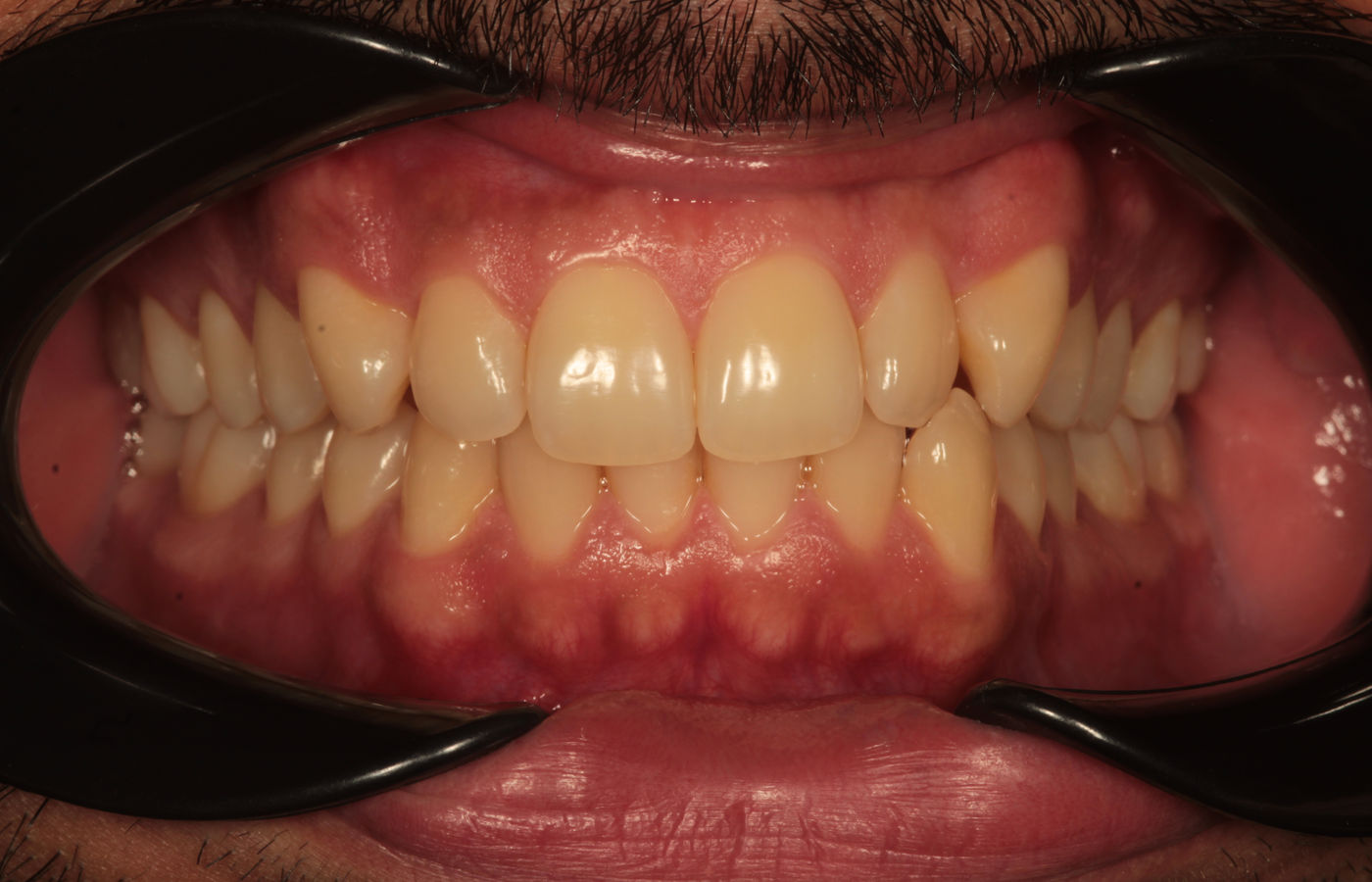
Whitening is completed before bonding because composite does not change colour once placed. The documented cases below show this sequence, and one where alignment and whitening alone were enough, so no bonding was placed.
Position was corrected first with Invisalign, then whitening set the final shade, and composite bonding refined edge shape and proportion last. Sequencing in that order meant the bonding could be matched to the finished shade and no healthy tooth was removed.
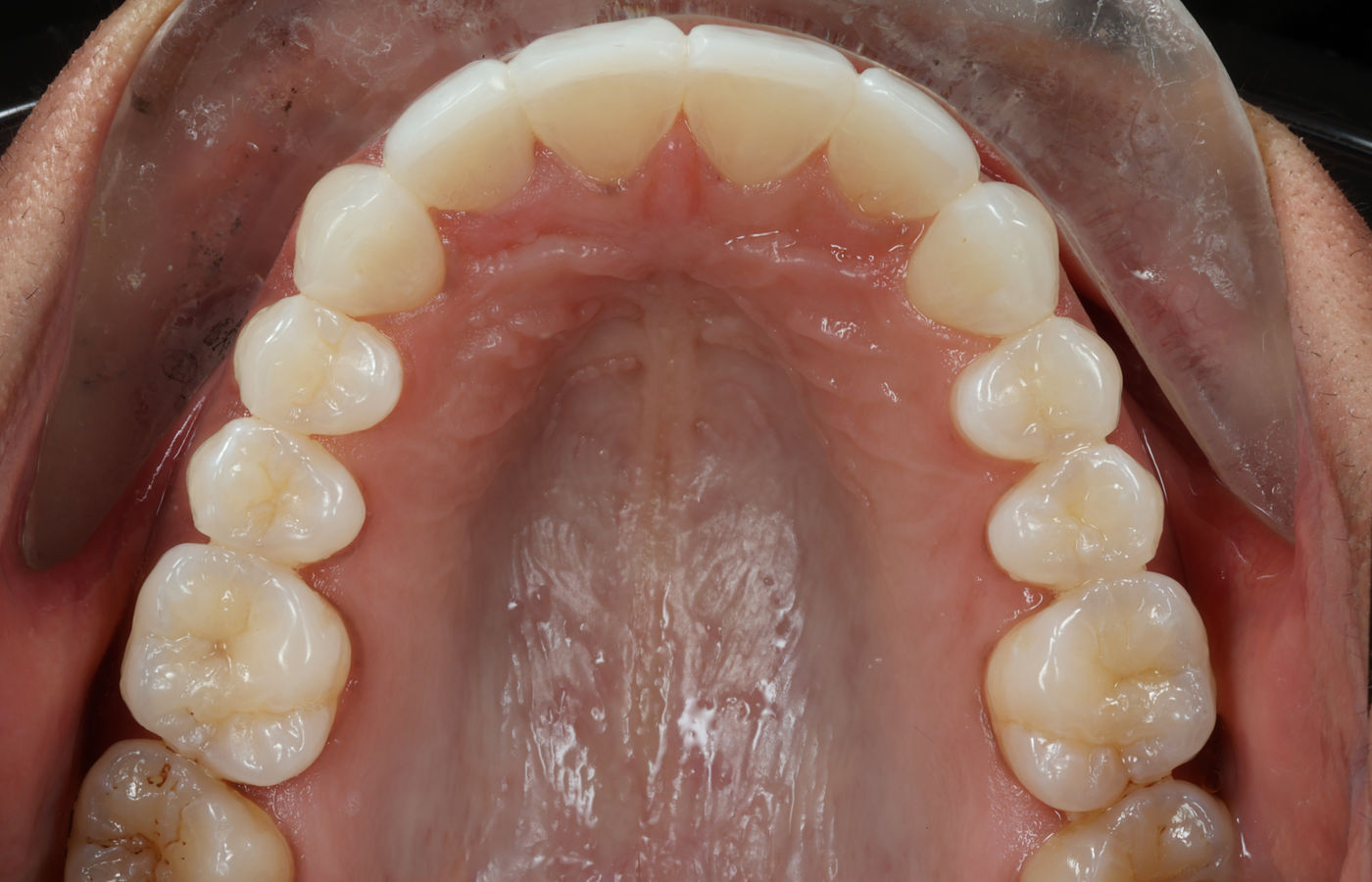
Invisalign redistributed the spaces so that the remaining gaps were small and evenly placed, whitening established the final shade, and composite bonding then closed those spaces and rebuilt the worn edges with a minimal volume of material.
The result was achieved without adding any material to the teeth. Alignment corrected position and whitening corrected shade, which is the least invasive combination available for this presentation. No bonding or ceramic work was recommended, because none was needed.
Published ranges for direct composite restorations are commonly quoted at around five to seven years before repair or replacement, though this varies considerably with bite, diet, habits and maintenance.
From £365Guide fee
Direct composite work starts from £365 per tooth. A full bonding case is quoted per tooth against the number of teeth and the complexity of the design, and confirmed in writing after assessment.
A written plan with itemised fees is provided after assessment, before any treatment is agreed. See the full fee guide.
Compare options
Explore the dental glossary for plain-language definitions of the clinical terms used here.
Clinical transparency
General Dental Council
National Institute for Health and Care Excellence
Clinical cases
Published only with explicit patient consent.
 BeforeAfter
Crowded upper front teeth and a shade the patient felt was too dark.
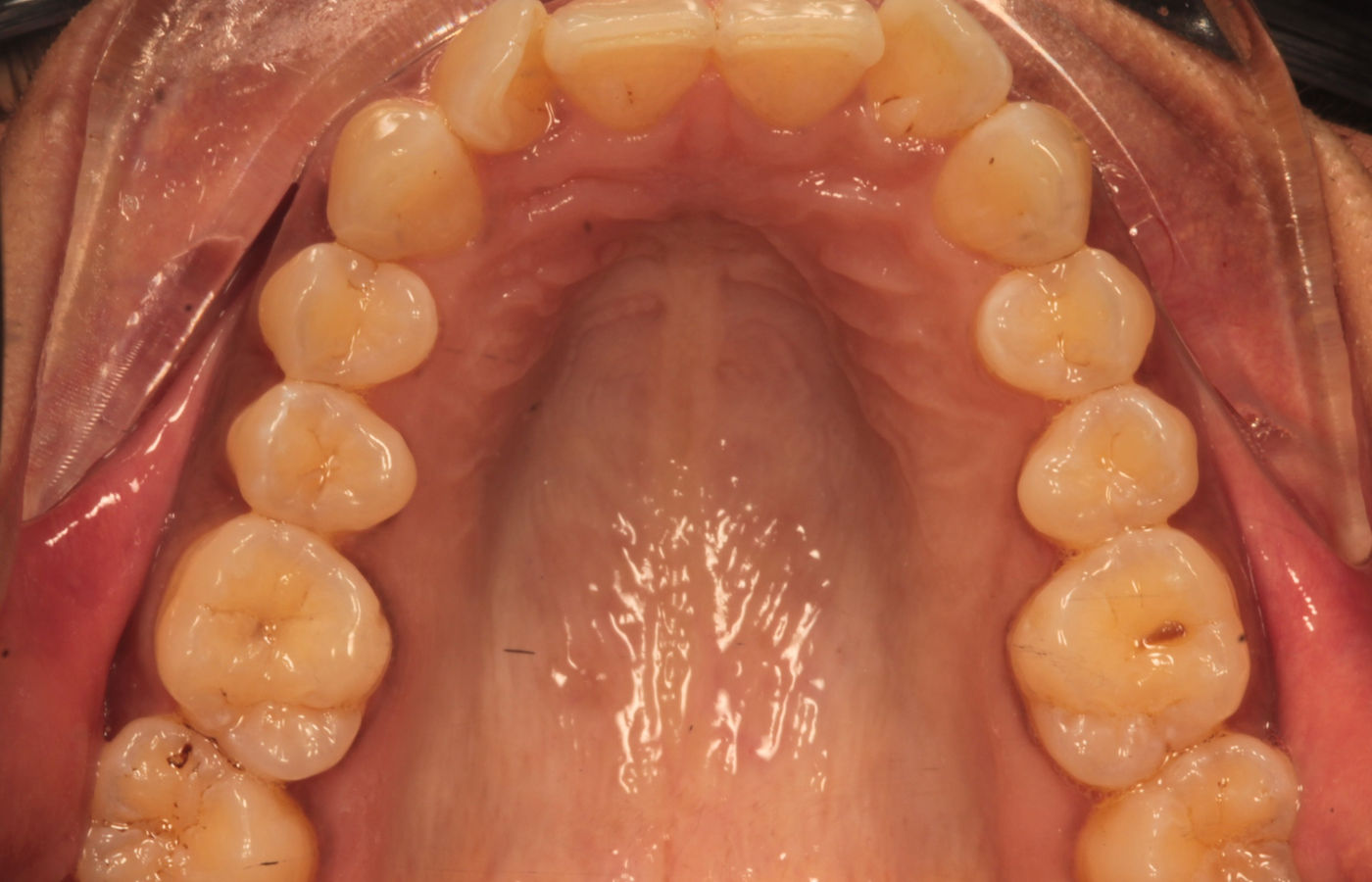 BeforeAfter
Spacing between the front teeth and edges that had worn unevenly.
Read next
Written by Dr Vikas Prinja for patients considering or already having this treatment.
Patient guide
Patient guide
Patient guide
Article
Article
Article
Common questions
Composite bonding is a treatment in which tooth-coloured resin is applied directly to the tooth and sculpted by hand to change its shape, edges, proportions or colour. In most cases it is additive, meaning little or no healthy tooth tissue is removed.
Published ranges for direct composite restorations are commonly quoted at around five to seven years before repair or replacement. Longevity depends on the bite, grinding habits, diet, hygiene and how the bonding was planned and finished.
Bonding is usually additive, repairable and reversible, but stains more readily. Veneers are more stain resistant and durable, but require enamel preparation and are irreversible. The right choice depends on tooth position, remaining enamel, bite and how much change is needed.
Composite bonding starts from £365 per tooth; layered cosmetic bonding is quoted after assessment because the fee depends on the number of teeth, clinical time and the design required.
Composite bonding is considered after checking tooth structure, gum health, bite, tooth wear and expectations. Active decay, untreated gum disease or an unmanaged grinding habit may need attention first.
The appointment length depends on the number of teeth and the design. A consultation and plan come first; straightforward single-tooth repairs may be completed more quickly than a multi-tooth smile design.
Composite bonding is usually painless because in most cases no healthy tooth is removed and no anaesthetic is needed. Where a tooth is being repaired after decay or a fracture, local anaesthetic can be used so the appointment stays comfortable.
Clean bonded teeth as you would natural teeth, floss carefully around the margins and see a hygienist regularly. Limiting staining drinks, avoiding biting nails or hard objects and wearing a night guard if you grind all help bonding last longer.
Yes. Because bonding is usually additive, it can be polished, repaired, added to or removed and the underlying tooth returned close to its original state. That reversibility is one of the main reasons bonding is considered before ceramics.

Clinical authorship
The London Dentist. Cosmetic, restorative and implant dentistry in London.
Clinically reviewed Updated
About Dr Vikas PrinjaHow this fits together
How this treatment relates to the others, and why each relationship exists.
Often considered first
Invisalign
Where tooth position is the underlying problem, alignment is usually considered first so less composite is needed and less healthy tooth is covered.
Often considered first
Teeth whitening
Whitening is normally completed before bonding so the composite can be matched to the intended final shade — composite does not lighten later.
Alternative
Ceramic veneers
Ceramic may be more appropriate where greater strength, stain resistance or a larger change in shape is required.
Restore
A ceramic veneer is a thin, custom-made porcelain facing bonded to the front of a tooth to change its shape, colour or alignment, usually requiring a small amount of enamel to be prepared.
Straighten
Invisalign is a clear aligner system that moves teeth using a sequence of removable, custom-made trays planned from a digital scan of your mouth.
Enhance
Professional teeth whitening uses a regulated peroxide-based gel, prescribed by a dentist, to lighten the natural shade of teeth without removing tooth tissue.
Enhance
A smile makeover is a planned combination of treatments — which may include alignment, whitening, bonding, ceramics or gum treatment — sequenced to change the appearance of the smile while protecting long-term dental health.

Consultation
Start with a comprehensive assessment and understand your options before deciding on treatment.