
Video answer
Can small shape changes preserve natural enamel?
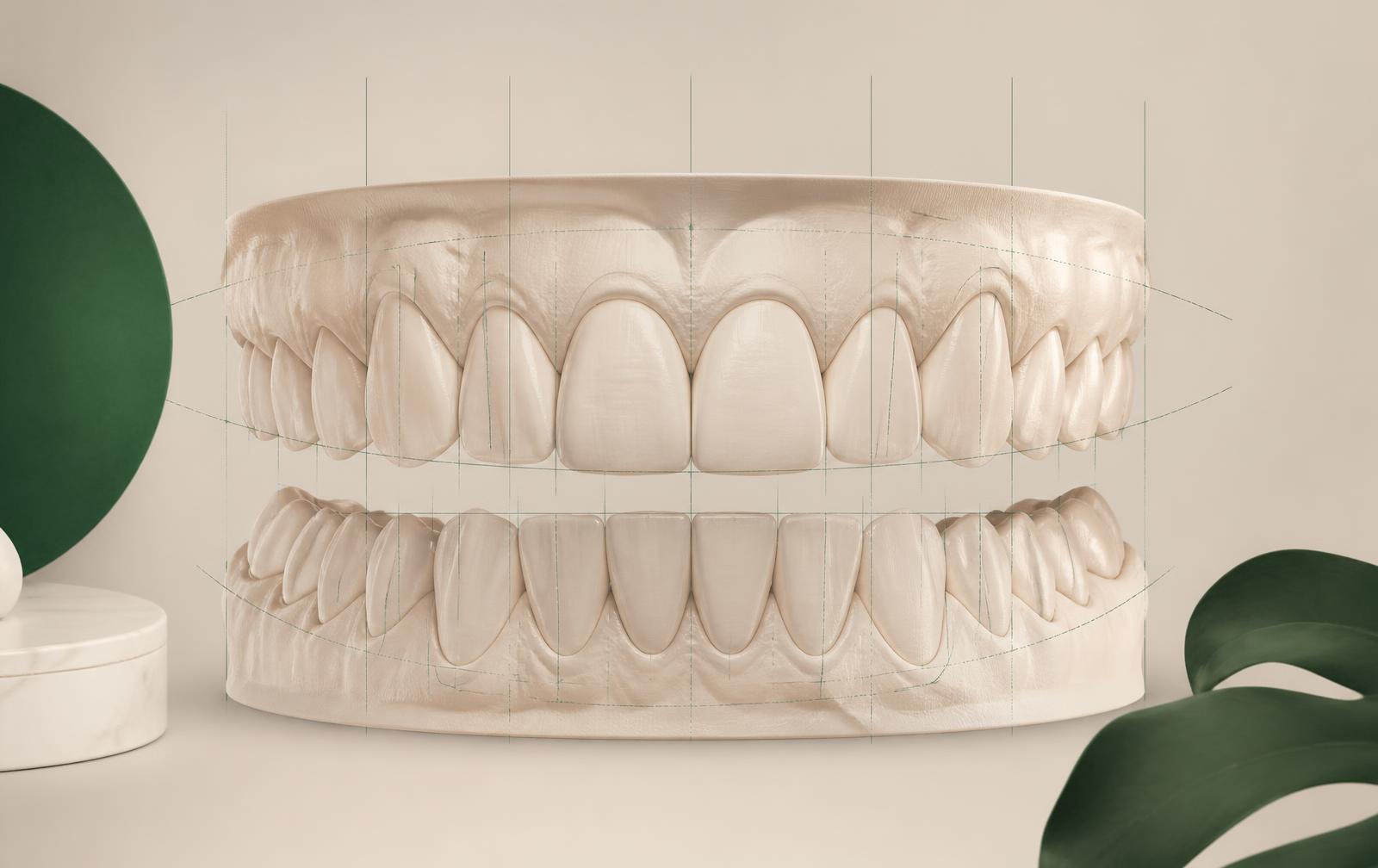
A conservative cosmetic explanation focused on enamel reshaping and preservation. Any change depends on tooth position, proportions, enamel and bite.
Enhance
A smile makeover is a planned combination of treatments — which may include alignment, whitening, bonding, ceramics or gum treatment — sequenced to change the appearance of the smile while protecting long-term dental health.
At a glance
Costed per stage against the treatments in your plan — for example Invisalign from £2,950, whitening from £395, bonding from £365 per tooth and veneers at £795 per tooth. A written, itemised plan is issued before treatment begins.
Book a consultationAssessment and diagnosis before any cosmetic treatment
The short answer: Smile makeover
A smile makeover is a planned combination of treatments — which may include alignment, whitening, bonding, ceramics or gum treatment — sequenced to change the appearance of the smile while protecting long-term dental health.
Smile makeover is planned and provided by Dr Vikas Prinja at Apple Dental Studios, 106 Marsh Road, Pinner, with patients travelling from across North West London. If you are looking for a dentist in Pinner, that page sets out how consultations, written plans and fees work here.
Compare your options
You are reading
Smile makeover
The option described on this page.
Stage one
Invisalign
Position is corrected first wherever it is contributing, because it determines how much restorative work follows.
Stage two
Teeth whitening
Shade is established before any restorative material is made or placed.
Stage three
Composite bonding
Shape, edge position and proportion are refined additively where composite is suitable.
Vikas explains
A concise video explanation, supported by the written guidance on this page.
A conservative cosmetic explanation focused on enamel reshaping and preservation. Any change depends on tooth position, proportions, enamel and bite.
Records and analysis establish what is causing the current appearance.
A digital design defines the target shape and proportions.
Health, gum and alignment issues are addressed first.
Bonding, ceramics or other restorative work completes the plan.
Retainers, guards and review appointments protect the result.
Longevity reflects the individual components of the plan and the standard of ongoing maintenance.
Costed per stage against the treatments in your plan — for example Invisalign from £2,950, whitening from £395, bonding from £365 per tooth and veneers at £795 per tooth. A written, itemised plan is issued before treatment begins.
A written plan with itemised fees is provided after assessment, before any treatment is agreed. See the full fee guide.
Explore the dental glossary for plain-language definitions of the clinical terms used here.
Clinical transparency
General Dental Council
National Institute for Health and Care Excellence
Common questions
A smile makeover begins with a health assessment, photographs, records and a written plan. Gum health and bite are stabilised first, alignment is considered before restoration, and whitening, bonding or ceramics follow in a planned sequence with review and retention.
A makeover limited to whitening and bonding can take a few weeks. Where alignment is included first, the overall plan usually runs from several months to around a year, followed by retention and review.
Natural results come from planning tooth position, proportion, edge shape and shade against your face and lips, rather than fitting a uniform set of white teeth. A digital design or trial smile is used so the result is agreed before anything permanent is done.
There is no single smile makeover fee because a plan may combine alignment, whitening, bonding or ceramics. Guide fees are published for each treatment and a written itemised quotation follows assessment.
The main drivers are how many teeth are being changed, whether alignment is needed first, and whether the final restorations are composite or ceramic. Every plan is itemised in writing after assessment, so the fee reflects the actual sequence rather than a package price.
Risks depend on which treatments are included. Alignment and whitening carry little irreversible change, while veneers and crowns involve preparing tooth tissue and may cause sensitivity or, uncommonly, nerve inflammation. Planning that starts with alignment and bonding usually keeps more natural tooth.
Retainers are worn if teeth were aligned, hygiene appointments continue as normal, and a night guard is advised where grinding is present. Composite is polished periodically and may be repaired; ceramic is checked at reviews and replaced only when indicated.
No. Many smile makeovers are achieved with alignment, whitening and bonding, which preserve more natural tooth. Ceramic veneers are indicated when shape, strength or colour cannot be changed predictably by less invasive means.

Clinical authorship
The London Dentist. Cosmetic, restorative and implant dentistry in London.
Clinically reviewed Updated
About Dr Vikas PrinjaHow this fits together
How this treatment relates to the others, and why each relationship exists.
Component of
Invisalign
Position is corrected first wherever it is contributing, because it determines how much restorative work follows.
Component of
Teeth whitening
Shade is established before any restorative material is made or placed.
Component of
Composite bonding
Shape, edge position and proportion are refined additively where composite is suitable.
Component of
Ceramic veneers
Ceramic is used selectively, on the teeth that genuinely require it, rather than across the whole arch by default.
Straighten
Invisalign is a clear aligner system that moves teeth using a sequence of removable, custom-made trays planned from a digital scan of your mouth.
Restore
Composite bonding is a treatment in which tooth-coloured resin is applied directly to the tooth surface and shaped by hand to alter its shape, edge position, colour or proportions, usually without removing healthy tooth tissue.
Restore
A ceramic veneer is a thin, custom-made porcelain facing bonded to the front of a tooth to change its shape, colour or alignment, usually requiring a small amount of enamel to be prepared.
Enhance
Professional teeth whitening uses a regulated peroxide-based gel, prescribed by a dentist, to lighten the natural shade of teeth without removing tooth tissue.

Consultation
Start with a comprehensive assessment and understand your options before deciding on treatment.