Video answer
What happens after you lose a tooth?
Dr Prinja explains tooth loss and the importance of preserving bone and assessing replacement options. An implant is one option, not an automatic first choice.
Replace
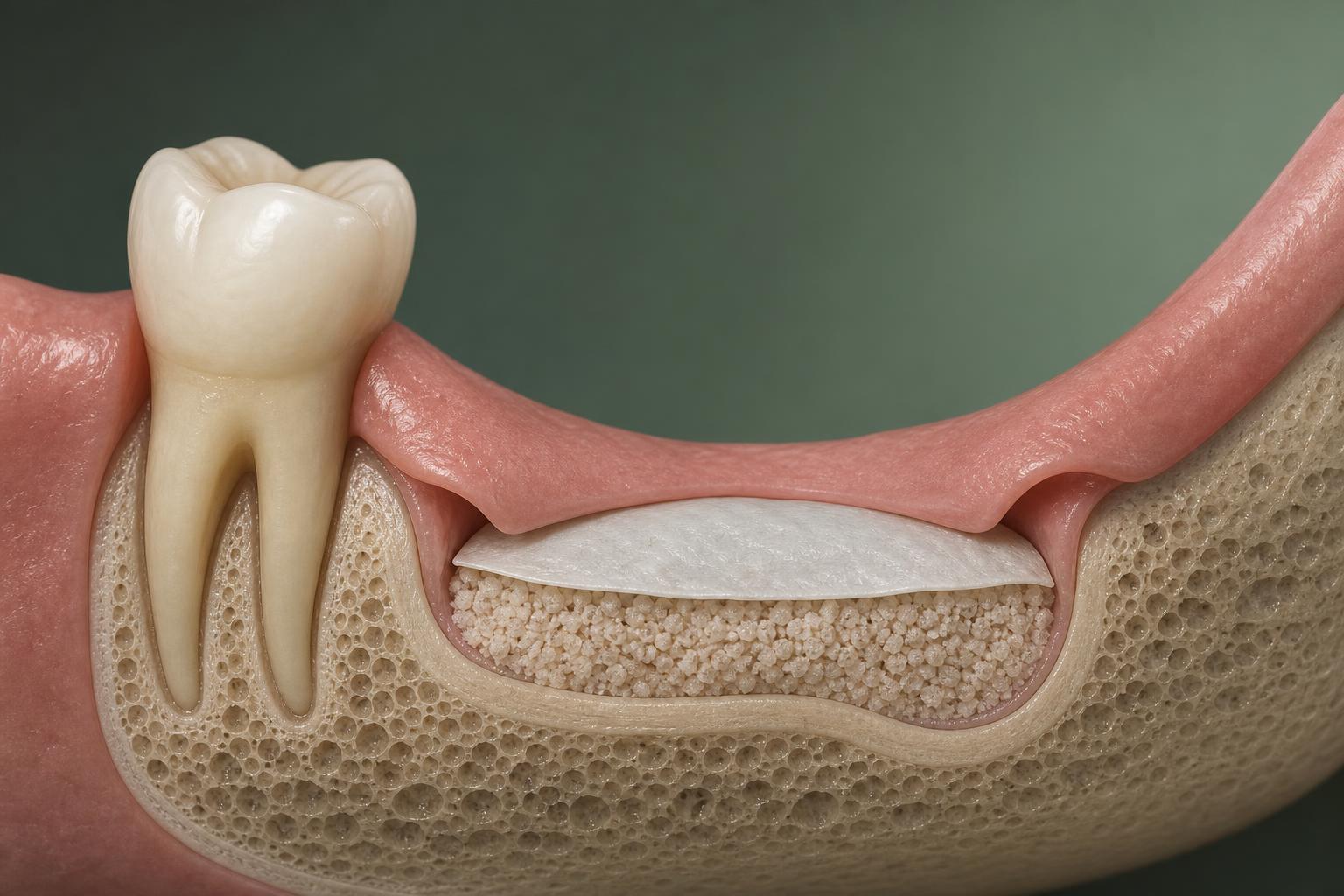
Dental bone grafting adds graft material to the jaw to rebuild bone volume, so that an implant can be placed in the correct position with adequate support.
At a glance
Bone grafting starts from £500 and is costed as part of the overall implant plan, alongside a CBCT scan at £110 for a single arch or £198 for both.
Book a consultationAssessment and diagnosis before any cosmetic treatment
Patient guides
The short answer: Bone grafting
Dental bone grafting adds graft material to the jaw to rebuild bone volume, so that an implant can be placed in the correct position with adequate support.
Bone grafting is planned and provided by Dr Vikas Prinja at Apple Dental Studios, 106 Marsh Road, Pinner, with patients travelling from across North West London. If you are looking for a dentist in Pinner, that page sets out how consultations, written plans and fees work here.
Compare your options
You are reading
Bone grafting
The option described on this page.
Why it is done
Dental implants
Grafting is not a treatment in isolation — it exists to make implant placement possible or more predictable.
Avoids surgery
Crowns & bridges
A bridge or denture replaces the tooth without surgery, and may be appropriate where grafting is not wanted or not indicated.
Vikas explains
A concise video explanation, supported by the written guidance on this page.
Dr Prinja explains tooth loss and the importance of preserving bone and assessing replacement options. An implant is one option, not an automatic first choice.
The volume and type of graft required is determined from imaging.
Graft material is placed and protected, sometimes alongside implant placement.
Healing time varies with the size of the graft.
The implant is placed once the site is stable.
Integrated grafted bone is maintained by the implant it supports and by ongoing maintenance.
From £500Guide fee
Bone grafting starts from £500 and is costed as part of the overall implant plan, alongside a CBCT scan at £110 for a single arch or £198 for both.
A written plan with itemised fees is provided after assessment, before any treatment is agreed. See the full fee guide.
Explore the dental glossary for plain-language definitions of the clinical terms used here.
Clinical transparency
General Dental Council
National Institute for Health and Care Excellence
Read next
Written by Dr Vikas Prinja for patients considering or already having this treatment.
Common questions
Not everyone needs a bone graft. CBCT imaging shows whether there is enough bone in a safe and restorative position; if not, grafting or an alternative replacement can be discussed.
Healing time depends on the size and type of graft, but several months are usually allowed before an implant is placed or restored. Progress is checked clinically and, where needed, with repeat imaging.
Risks include swelling, bruising, infection, graft exposure or incomplete bone formation, and site-specific risks such as sinus membrane perforation in upper jaw cases. These are assessed and explained in writing before consent.
Expect swelling for a few days, a soft diet for the period advised, and careful cleaning away from the surgical site using any prescribed rinse. Smoking materially impairs healing. Reviews check the site before the implant stage is planned.
Depending on the site, options can include placing a shorter or narrower implant, angling the implant to use available bone, or restoring the gap with a bridge or denture instead. Where bone volume is adequate, no graft is needed. The options are set out after 3D imaging.
Dental implants start from £2,900 at this practice. The final fee depends on whether grafting is needed, the number of implants and the restoration. A written quotation is provided after examination and a CBCT scan.
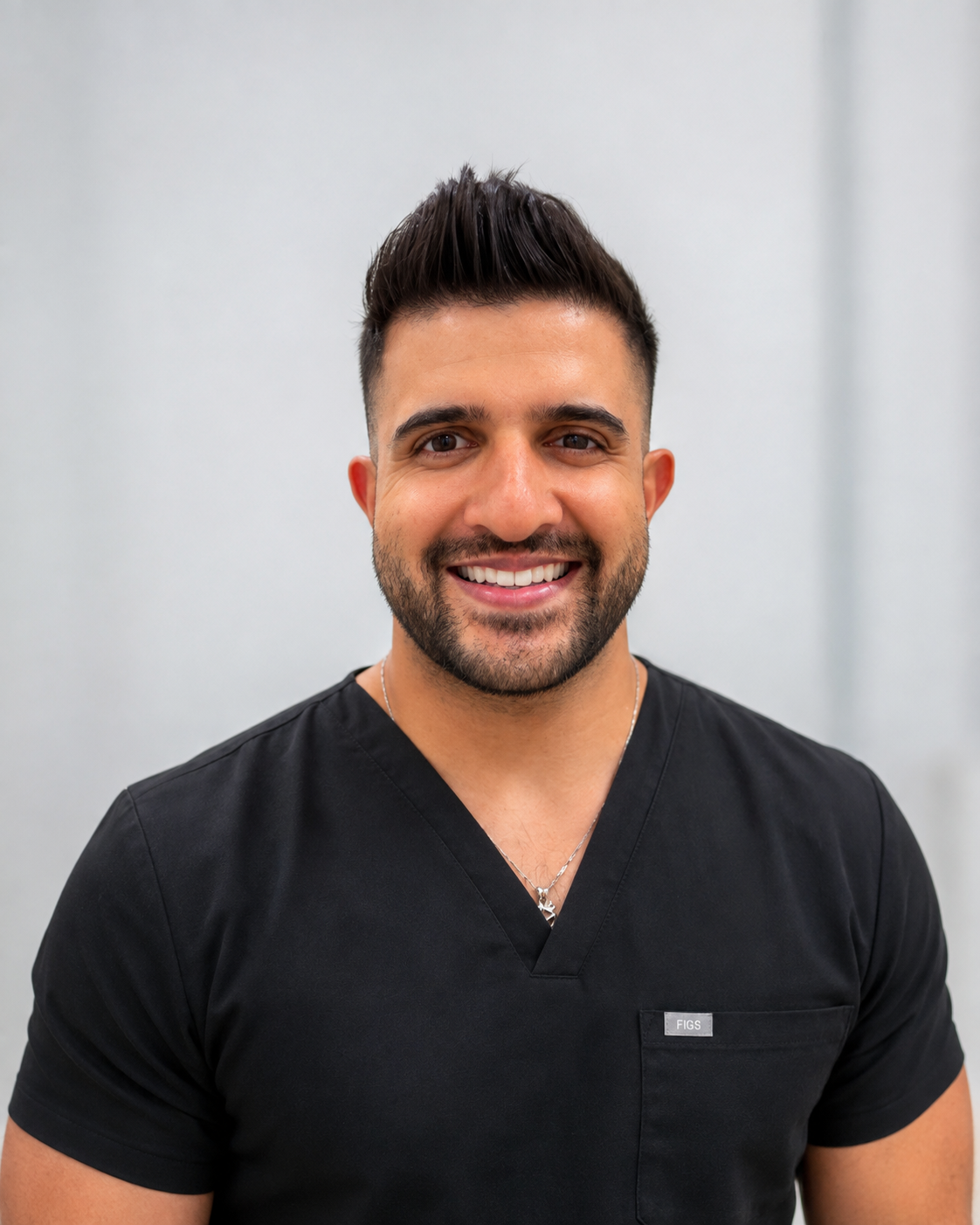
Clinical authorship
The London Dentist. Cosmetic, restorative and implant dentistry in London.
Clinically reviewed Updated
About Dr Vikas PrinjaHow this fits together
How this treatment relates to the others, and why each relationship exists.
Component of
Dental implants
Grafting is not a treatment in isolation — it exists to make implant placement possible or more predictable.
Alternative tooth replacement
Crowns & bridges
A bridge or denture replaces the tooth without surgery, and may be appropriate where grafting is not wanted or not indicated.
Replace
A dental implant is a titanium or ceramic fixture placed into the jawbone to support a crown, bridge or denture, replacing the root of a missing tooth.
Restore
Restorative dentistry repairs and rebuilds damaged, worn or missing teeth — using fillings, onlays, crowns, bridges or implants — with the aim of restoring function while preserving as much natural tooth as possible.
Restore
A crown is a laboratory-made restoration that covers a damaged tooth to restore its shape and strength; a bridge uses one or more crowns to replace an adjacent missing tooth.
Consultation
Start with a comprehensive assessment and understand your options before deciding on treatment.